Ad: This page contains affiliate links.
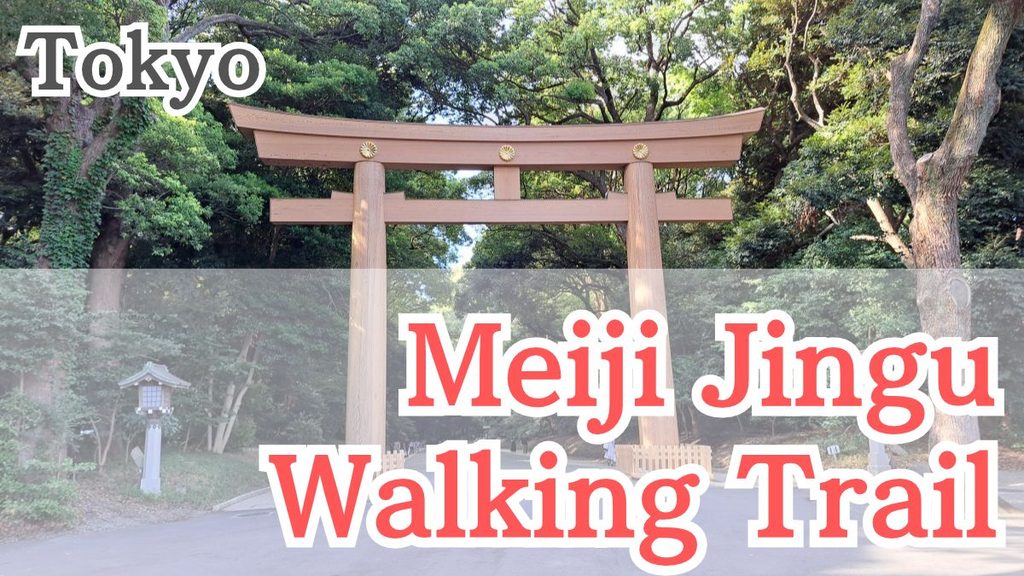
An oasis in metropolitan Tokyo, the power spot Meiji Jingu has many charms beyond worship. It’s an urban forest—here are its charming walking paths.

Meiji Jingu isn’t just a quick prayer stop, right—can you actually walk the urban forest properly?

Yes. Right by Harajuku, the shrine forest alone is a calming power-spot stroll worth your time.
Highlights of an Urban Oasis & Power Spot: A Meiji Jingu Stroll
Grounds Larger Than You’d Expect: Meiji Jingu
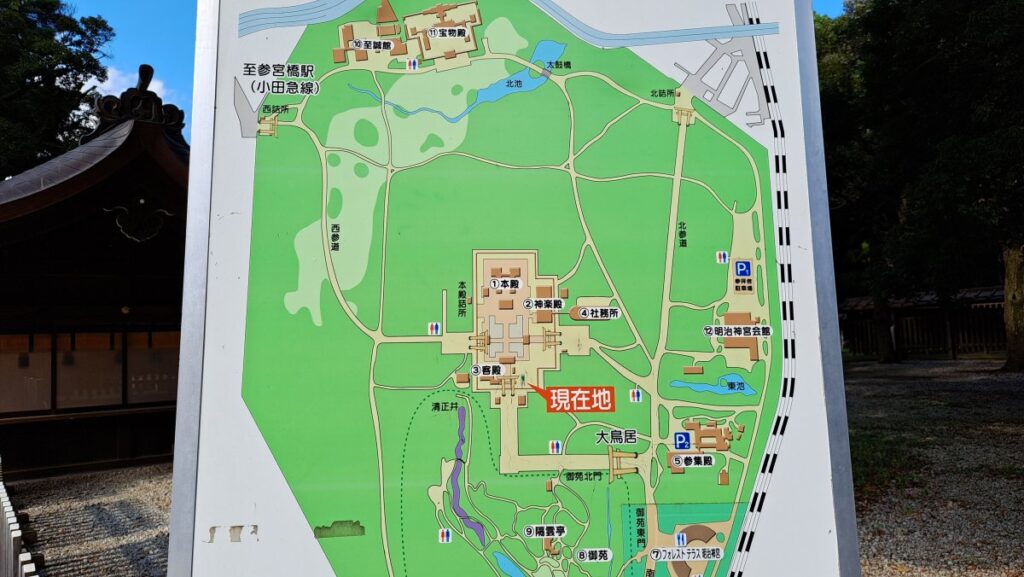
Meiji Jingu—an oasis of rich green grove and forest in the city—is a must-see when you visit Tokyo. Worshiping at the shrine is wonderful, of course, and strolling the tree-filled forest so unlike the rest of Tokyo is just as rewarding. Let’s walk through Meiji Jingu and soak up what makes Japanese shrines special. It’s larger than you’d expect.
The Walk from Harajuku Station to Meiji Jingu Is Already Moving
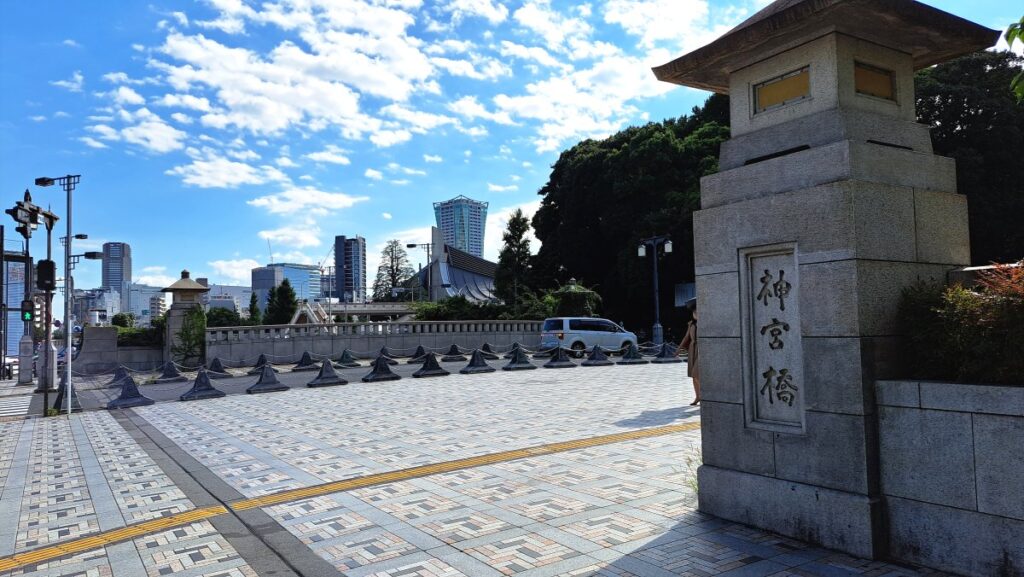
Several stations serve Meiji Jingu, but the easiest to find is Harajuku on the JR Yamanote Line. Step off the train and you’ll find a bridge (Jingu Bridge) leading straight to Meiji Jingu. Back in the Showa era, the “Takenoko-zoku” (Bamboo Shoot Tribe) would rush to Jingu Bridge with boomboxes, sit down, and spring up out of nowhere like bamboo shoots after rain. In today’s Reiwa era, though, it’s extremely peaceful—no bamboo-shoot hunting here.
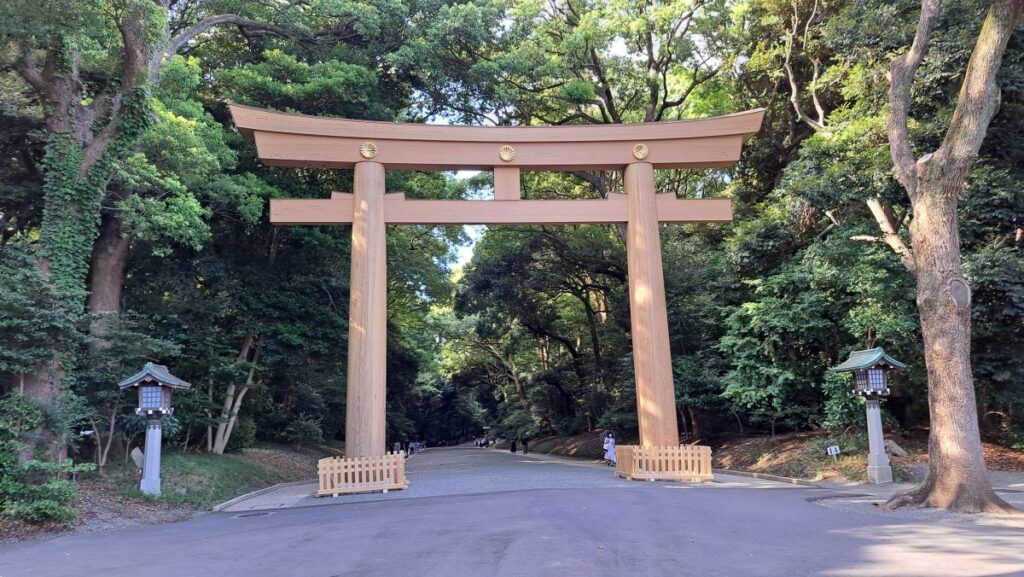
Right after you cross the bridge, Meiji Jingu’s Otorii comes into view—pay your respects there as you head in to worship. Feeling the shrine’s dignified beauty, you pray with a mind that feels centered and steady.
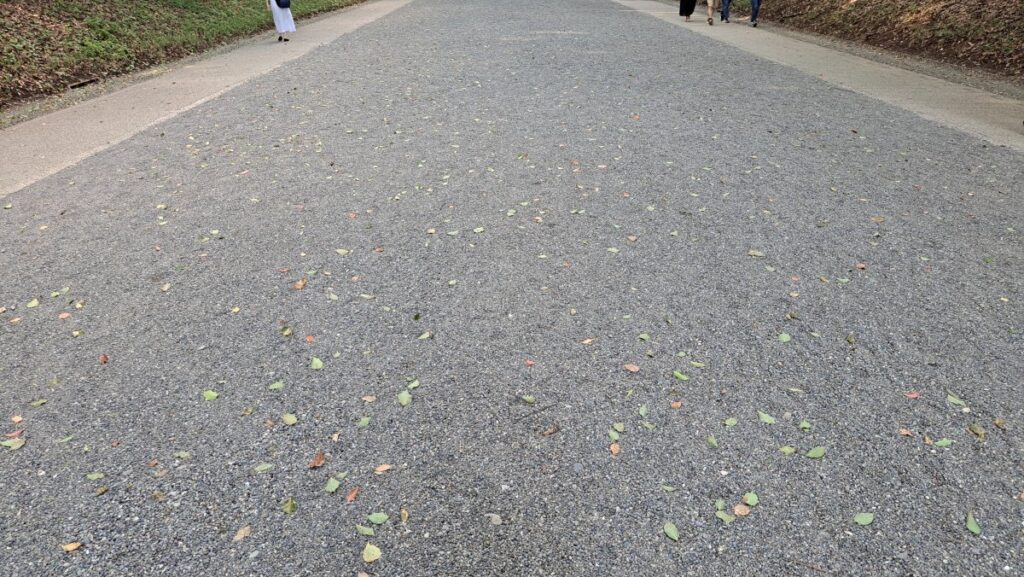
Since I’d come all the way to Meiji Jingu, I thought I’d walk grandly right down the middle of the approach—but by the time I realized the gravel in the middle gets into your shoes, it was already in mine. Walk quietly along the stone-tiled edges instead. Everyone else is walking there too.
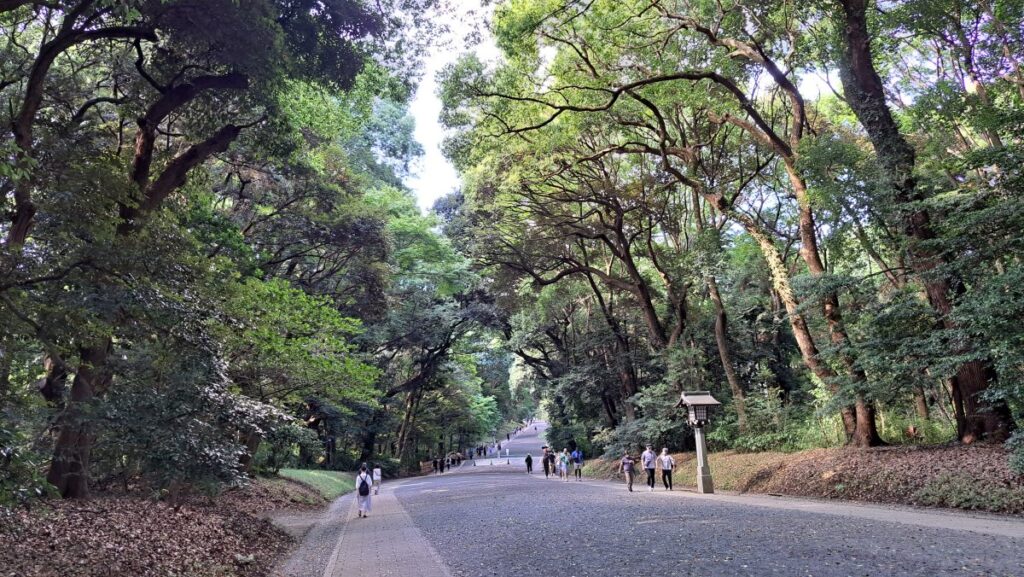
Walking a path covered by trees so tall you have to look up, a refreshing breeze full of nature’s comfort flows through—it feels great.
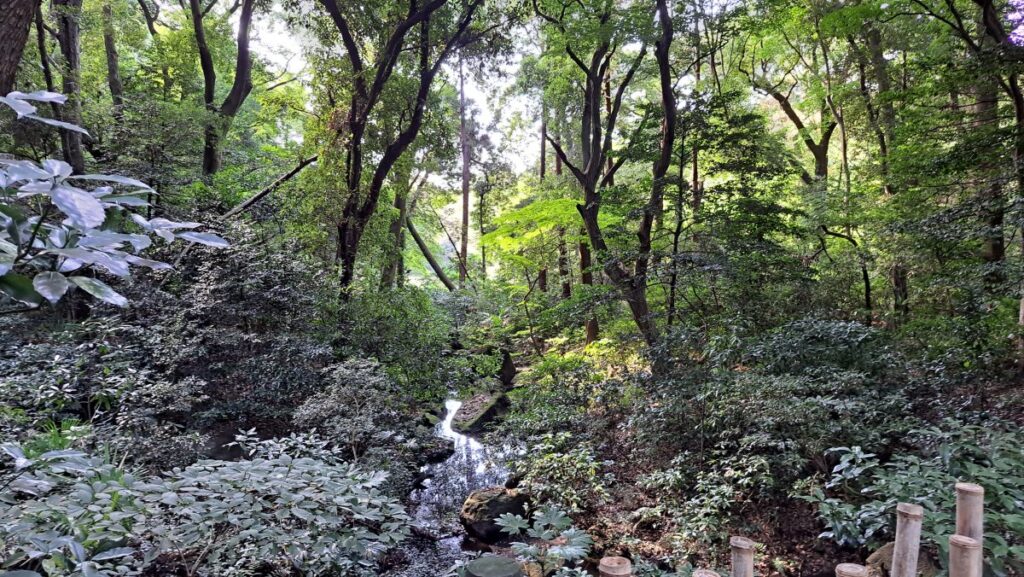
It truly feels pleasant—like walking through a forest tunnel in bright sunlight—but if you step into the trees you’ll surely get lost, so be careful! (I won’t go, lol)
Meiji Jingu Museum and Forest Terrace
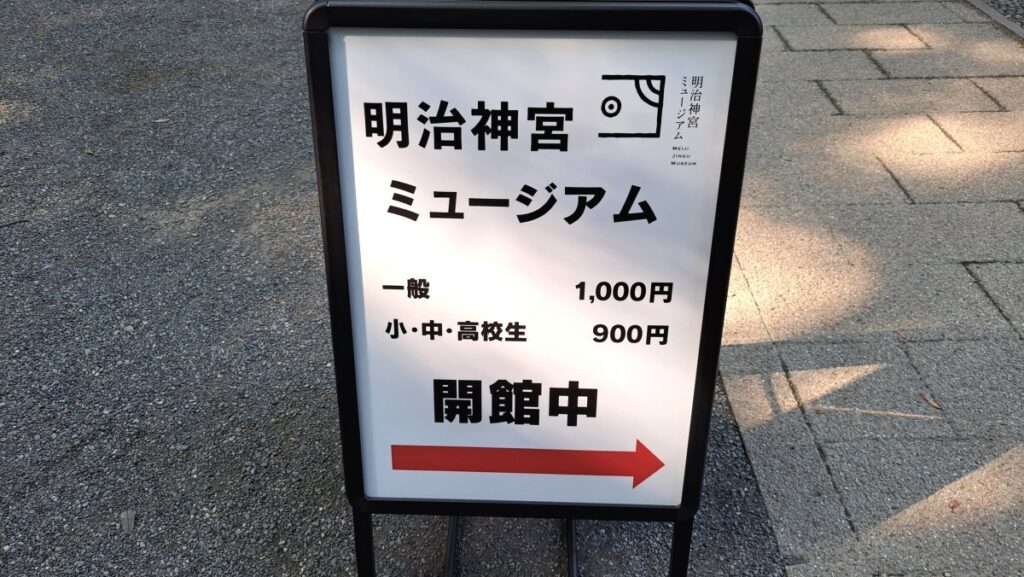
After walking a while, the sign for Meiji Jingu Museum (General: 1,000 JPY) comes into view. I wanted to see the museum, but I was more eager to reach the main hall—so I left it for the way back and kept heading toward the hall.
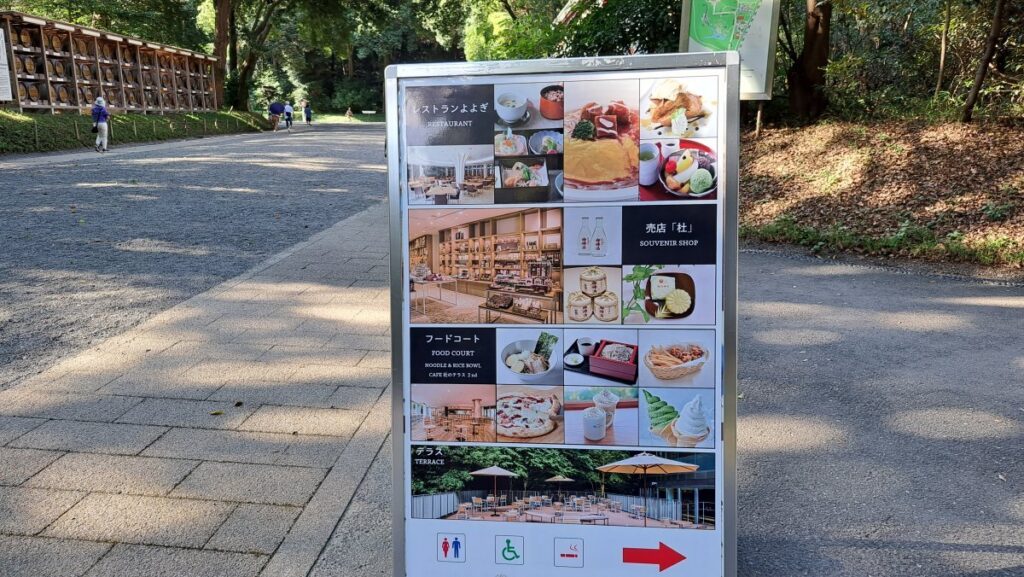
As I walk, a restaurant sign comes into view. (Too many temptations!) I definitely want soft-serve ice cream too, and beer seems to be calling—but with unwavering determination, I press on toward the main hall.
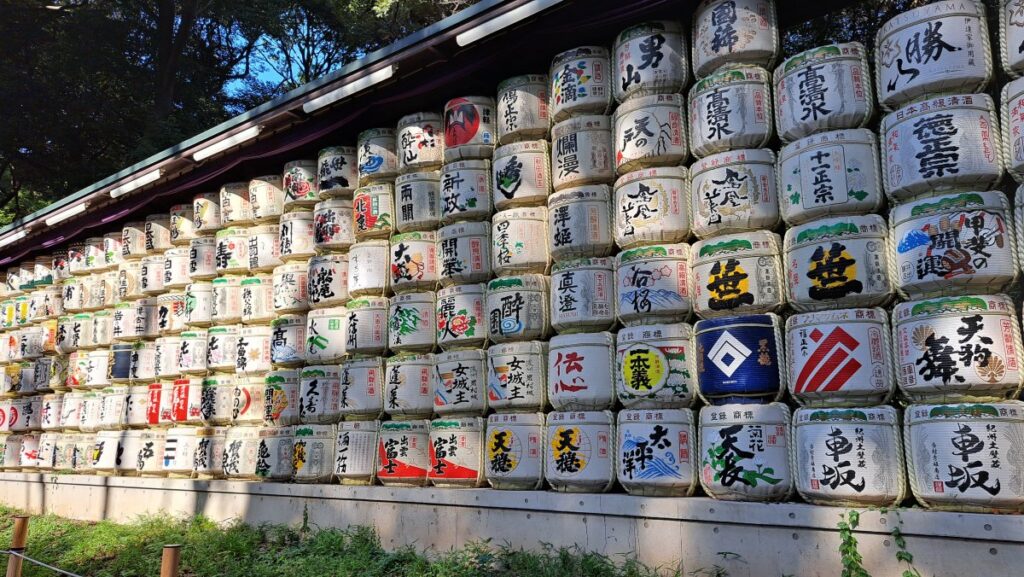
Dedicated Japanese sake is lined up right in front of you! Searching for sake from your home prefecture here is an absolute must.
The Strongest Power Spot: Meiji Jingu Main Hall
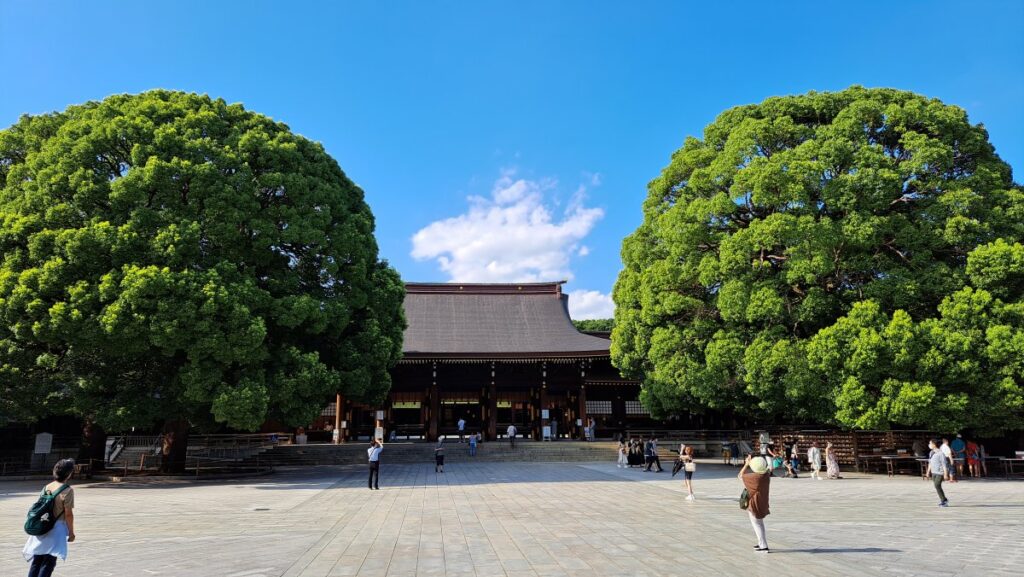
At the main hall, two large round trees stand on the left and right. This tree, what tree, curious tree~—since it’s a tree whose name I don’t even know~♪
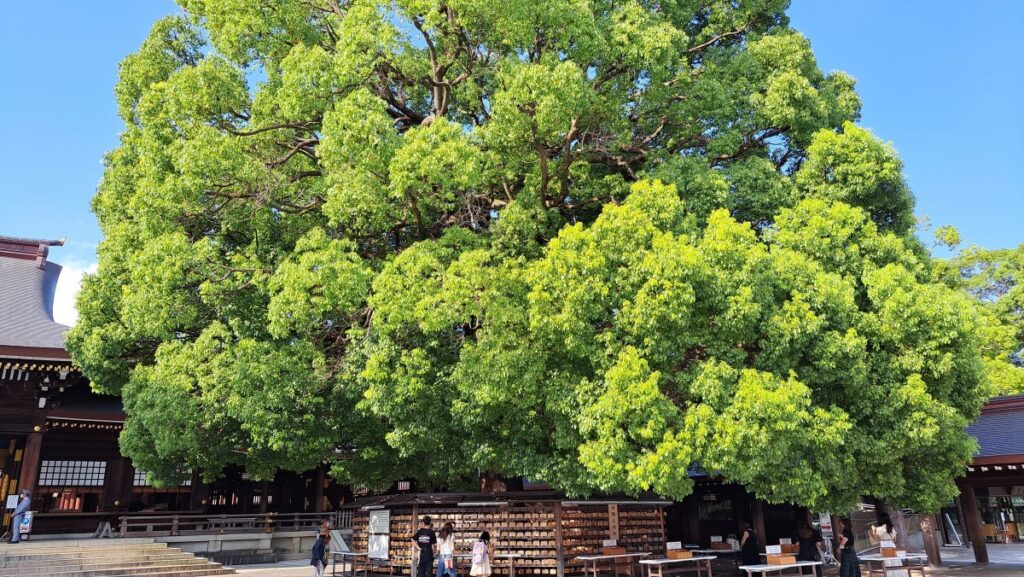
I don’t know their name, but the trees are huge.
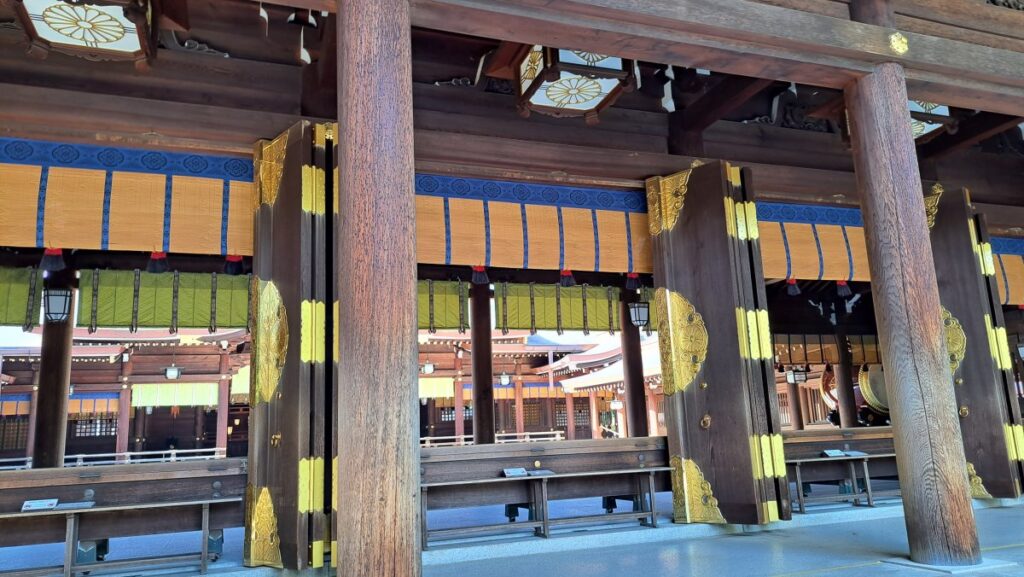
Worship properly at the main hall. Something about it deeply touches you and sinks in!
Vast Grounds—Strolling Through Meiji Jingu
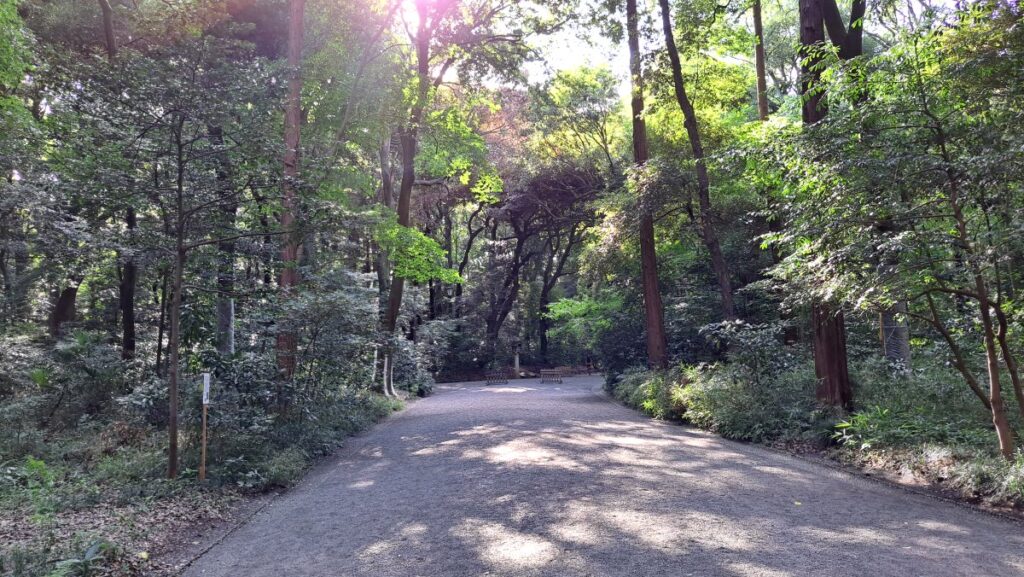
Past the main hall, a path lined with trees lets you feel the natural breeze. It’s a pleasant stroll—but note that the path is longer than you’d expect!
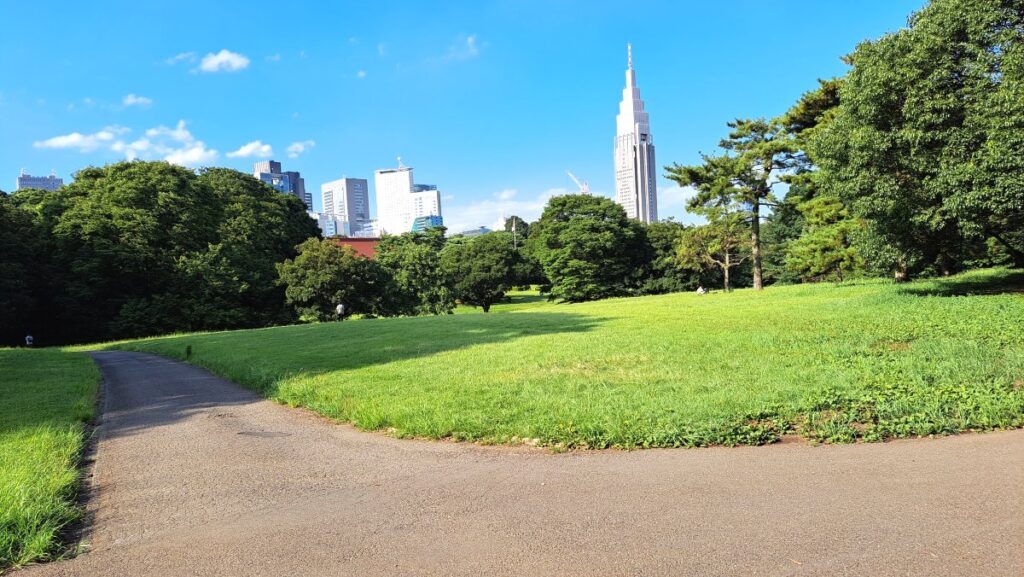
Most people don’t come this far, so it isn’t well known, but Meiji Jingu has a greenery-filled lawn. (It’s a hidden gem.)
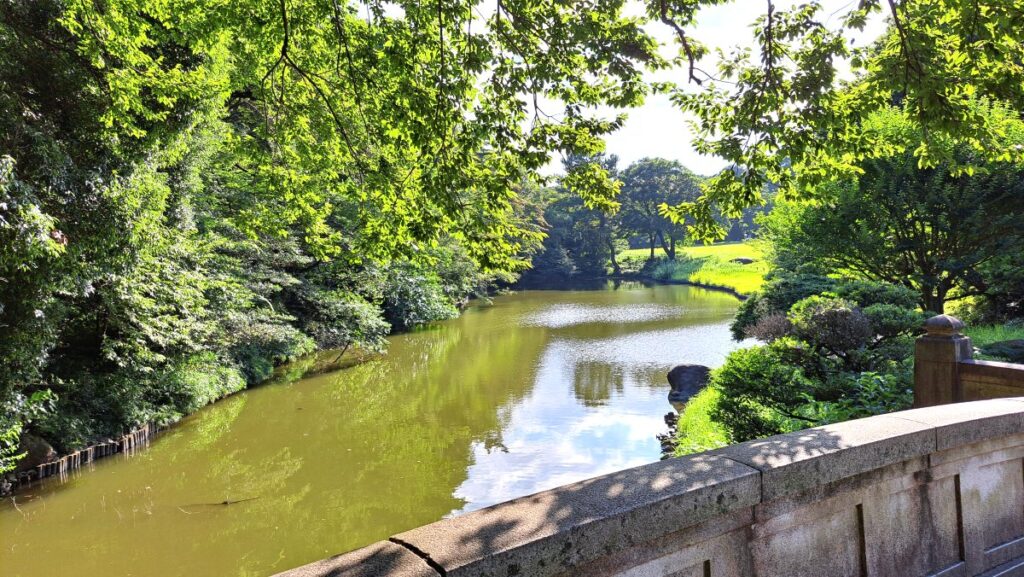
There is also a pond. (It’s a hidden gem.)
Beer at Forest Terrace Is the Best
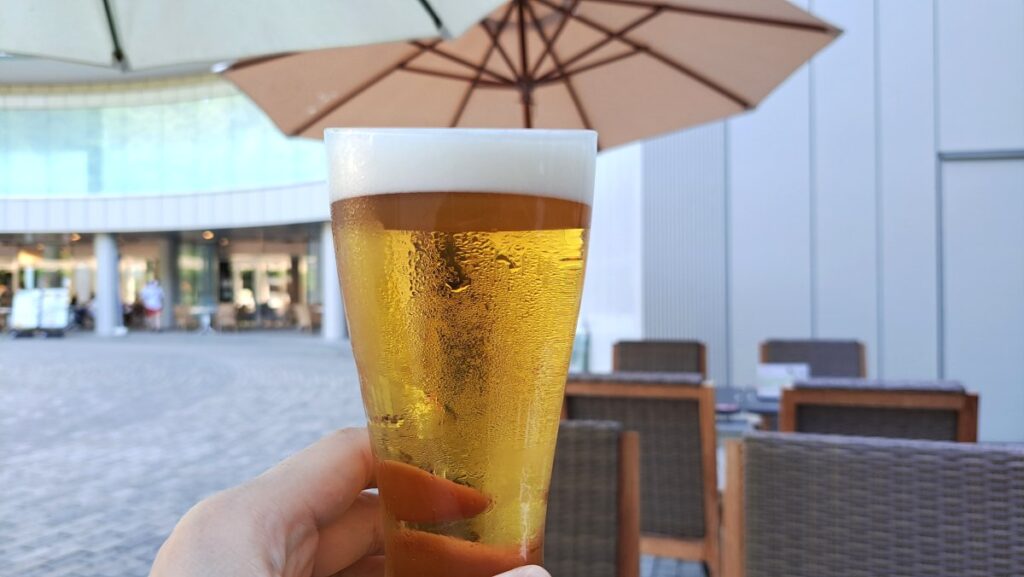
After about an hour of walking the grounds at an easy pace, stop by Forest Terrace Restaurant on the way back for a beer! It’s delicious☆.
Location and Access for Meiji Jingu
Location
Meiji Jingu is in Yoyogi, Shibuya-ku, Tokyo—a green oasis in the city center.
How to Get There:
- JR Yamanote Line: Right from Harajuku Station or Yoyogi Station.
- Tokyo Metro: Right from Meiji-jingumae Station.
Within walking distance of each station—ideal to combine with Omotesando or Harajuku sightseeing.
About Meiji Jingu
Meiji Jingu was founded in 1920 (Taisho 9) to enshrine Emperor Meiji and Empress Shoken. The man-made forest—grown from about 100,000 trees donated from across the country—has now stood for over 100 years and is affectionately known as the “Eternal Forest.”
| Item | Details |
|---|---|
| Deities Enshrined | Emperor Meiji, Empress Shoken |
| Main Blessings | Family safety, physical safety, good matchmaking, warding off evil, business prosperity |
| Worship Hours | Gates open at sunrise and close at sunset, so hours differ every month. May : 5:00 – 18:10 June : 5:00 – 18:30 |
| Admission Fee | Free (Inner Garden, etc. require a separate maintenance contribution) |
It’s currently the beautiful fresh-green season, so worshiping in the cool morning hours is especially recommended.
Bonus: Feeling Young on Takeshita Street
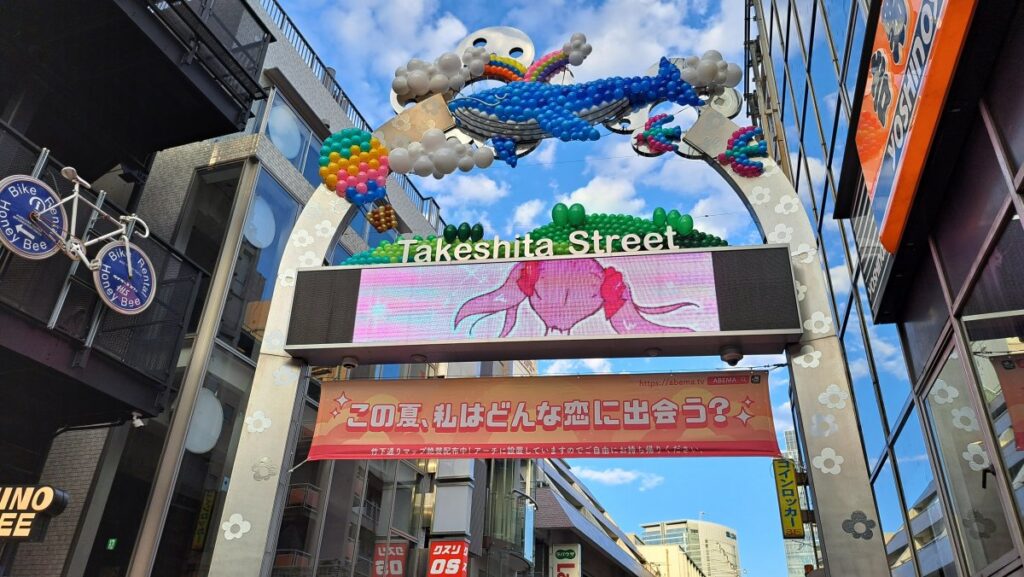
Meiji Jingu is in Harajuku—and speaking of Harajuku, it’s Takeshita Street. Walking through Harajuku, where midriff-baring girls and middle- and high-school girls are out having fun, takes courage for an old guy alone—but you absolutely have to go, and you have to eat crêpes. This old guy is sitting on the street eating too. A Meiji Jingu stroll you’ll definitely want to take on a sunny day.
Introducing a unique date idea for a change of pace: the “Around Tokyo Bay Date Course.” Perfect for couples looking to break out of a routine, this itinerary is packed with charm—eat, drink, feel the sea breeze, and experience a fresh new way to enjoy Tokyo together in a fun-filled day.


This website is operated by "Don Don Travel Guide"
Author: Boon
Our mission is to share valuable information with the world through informative and engaging travel media.
Best Japan Tours
This site is a participant in the Amazon Services LLC Associates Program, an affiliate advertising program designed to provide a means for sites to earn advertising fees by advertising and linking to Amazon.com.
This site uses Google AdSense to display advertisements and earn revenue.
This site utilizes various affiliate service providers (ASPs) to display advertisements and earn commissions through qualifying purchases.