Ad: This page contains affiliate links.
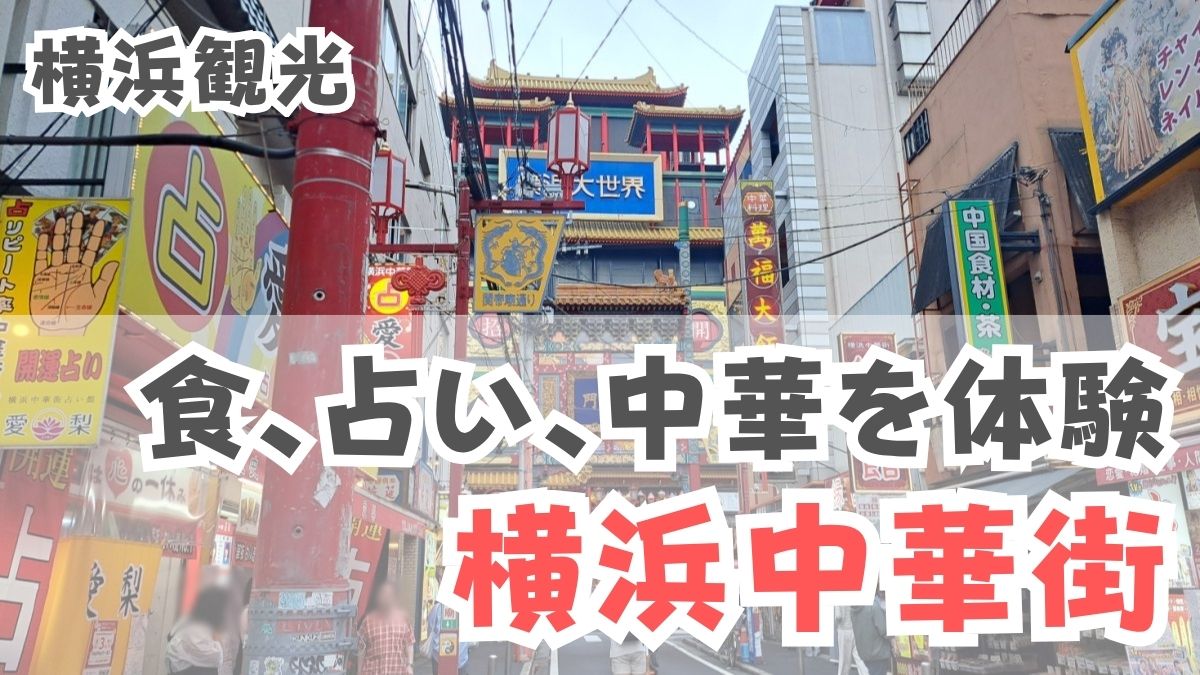
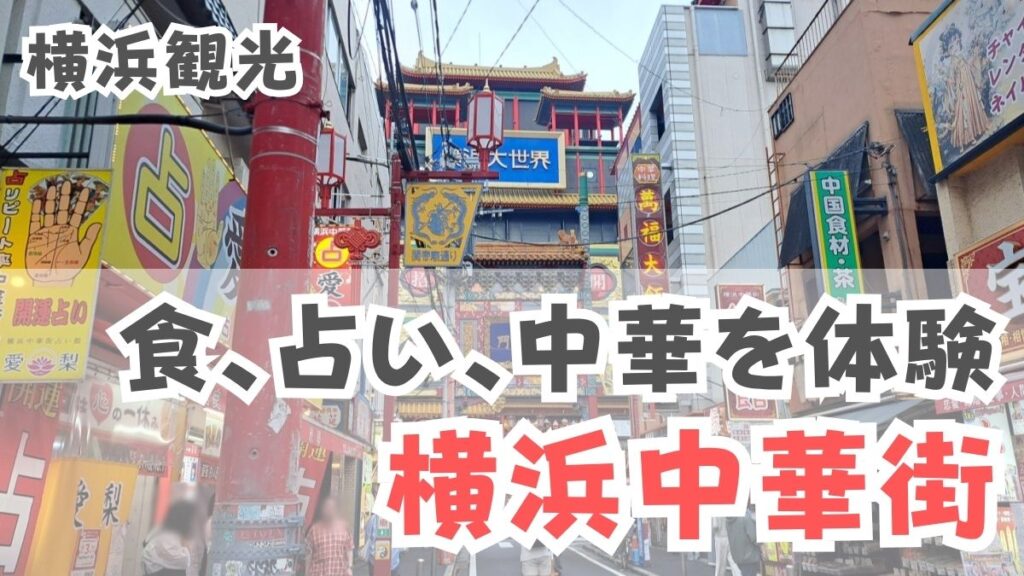
“Yokohama Chinatown” is one of Yokohama’s most iconic tourist destinations. This bustling area packed with hundreds of shops within a 500-meter square grid is known as Japan’s largest Chinatown and is always alive with crowds of visitors. The sheer depth of its culinary culture is overwhelming—ranging from long-established Chinese restaurants that have protected traditional flavors for generations, to “Malatang” (spicy numb soup) which is highly popular among young people in 2026, as well as casual street foods like fried xiaolongbao.

From authentic dishes at long-standing establishments to the Malatang trending in 2026, it is a town with a truly wide range of dining options, isn’t it?

Since you can choose between street food and full course meals, you will never get bored and can always encounter new deliciousness no matter how many times you go. It is a highly recommended tourist destination.
Beyond just the gourmet food, the area features beautiful Pailou (gates) built throughout the town and historic, vibrant architecture, providing plenty of highlights for a stroll—making it perfect for both sightseeing and dates.
The Charms of Yokohama Chinatown
The Influx of Chinese Food Culture: A Gathering of Over 500 Chinese Restaurants
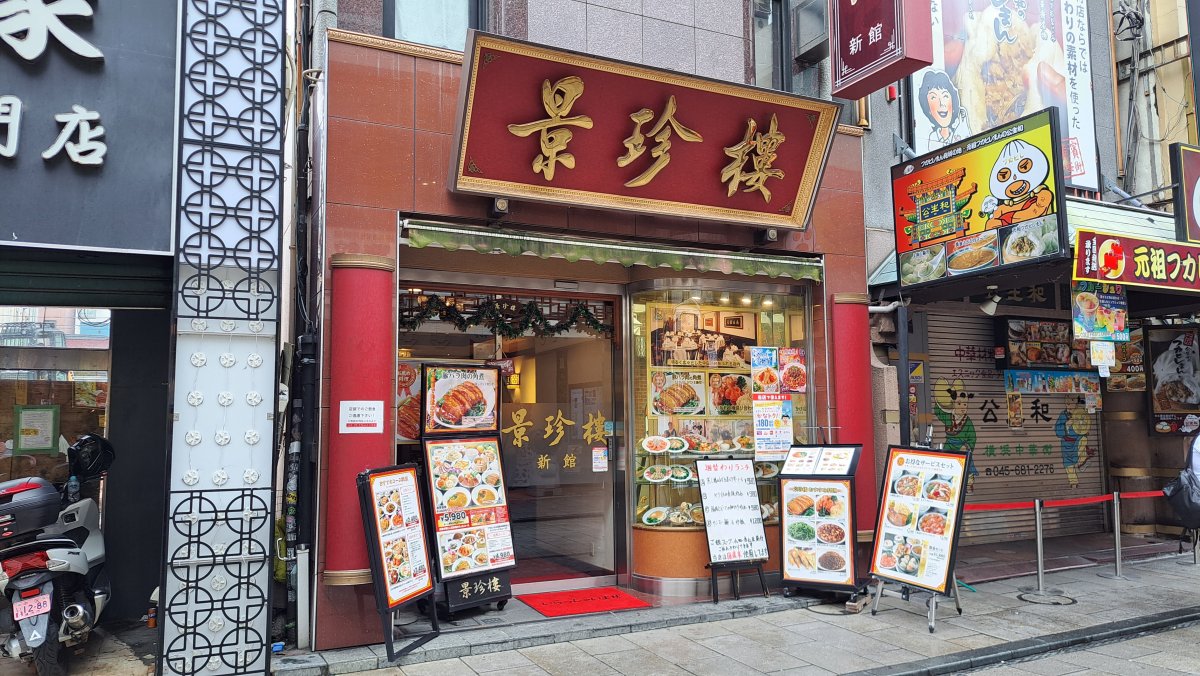
Boasting over 500 dining establishments packed within a 500-meter square area expanding in all directions, this is Japan’s largest Chinatown.
Famous restaurants representing the four major regions of Chinese cuisine—Beijing, Shanghai, Guangdong, and Sichuan—gather all in one place, allowing you to savor traditional flavors crafted by skilled chefs. A major charm is the ability to widely enjoy authentic Chinese food culture according to your budget and mood, with options ranging from high-end luxury courses at long-established spots loved for generations to reasonable lunches at hidden gems tucked away in the back alleys.
Snacking on Trendsetting Street Food Easily
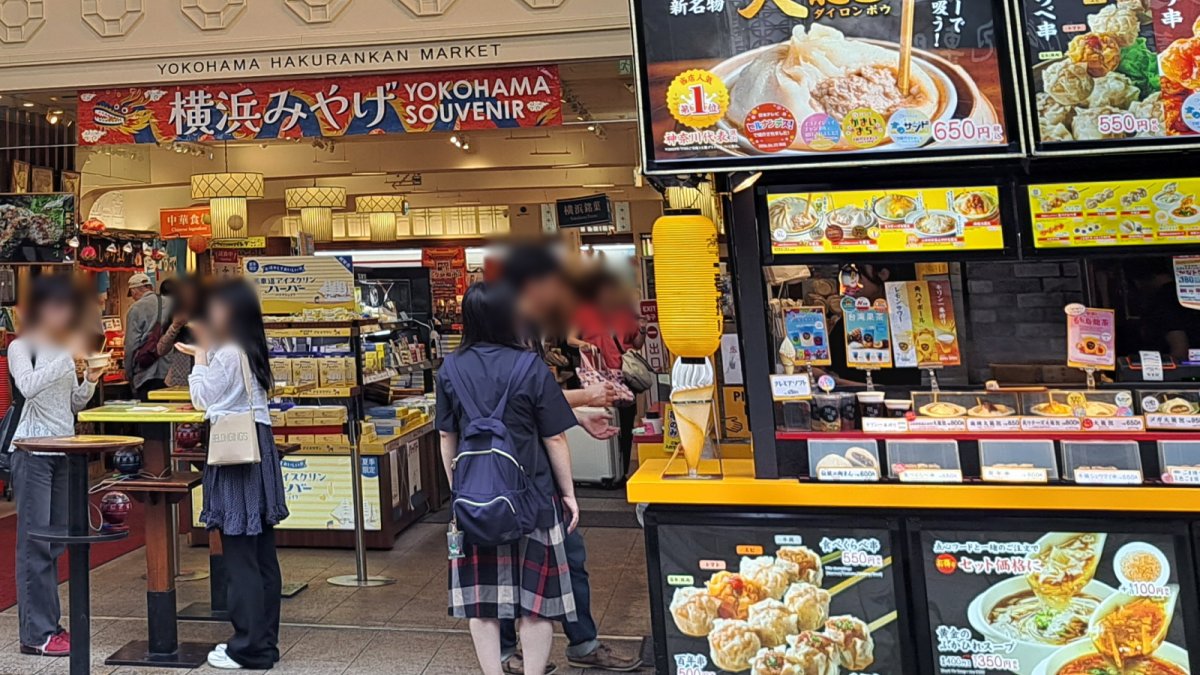
You can easily purchase a wide variety of takeout gourmet foods at various shops along the main street and back alleys, and even enjoy eating them right on the spot.
Classic menu items like “fried xiaolongbao,” characterized by their crispy bottom texture and overflowing meat juice, and giant “pork buns” are staple sights in this town that is always bustling with people. You can also casually sample new dim sum and trendsetting sweets tailored to the times, such as the spicy “Malatang” that has become a massive hit in recent years and the addictive sweet-and-savory “Chashu Melon Pan” (BBQ pork melon pan).
Casual Access to Palmistry, Four Pillars of Destiny, and Fortune Telling
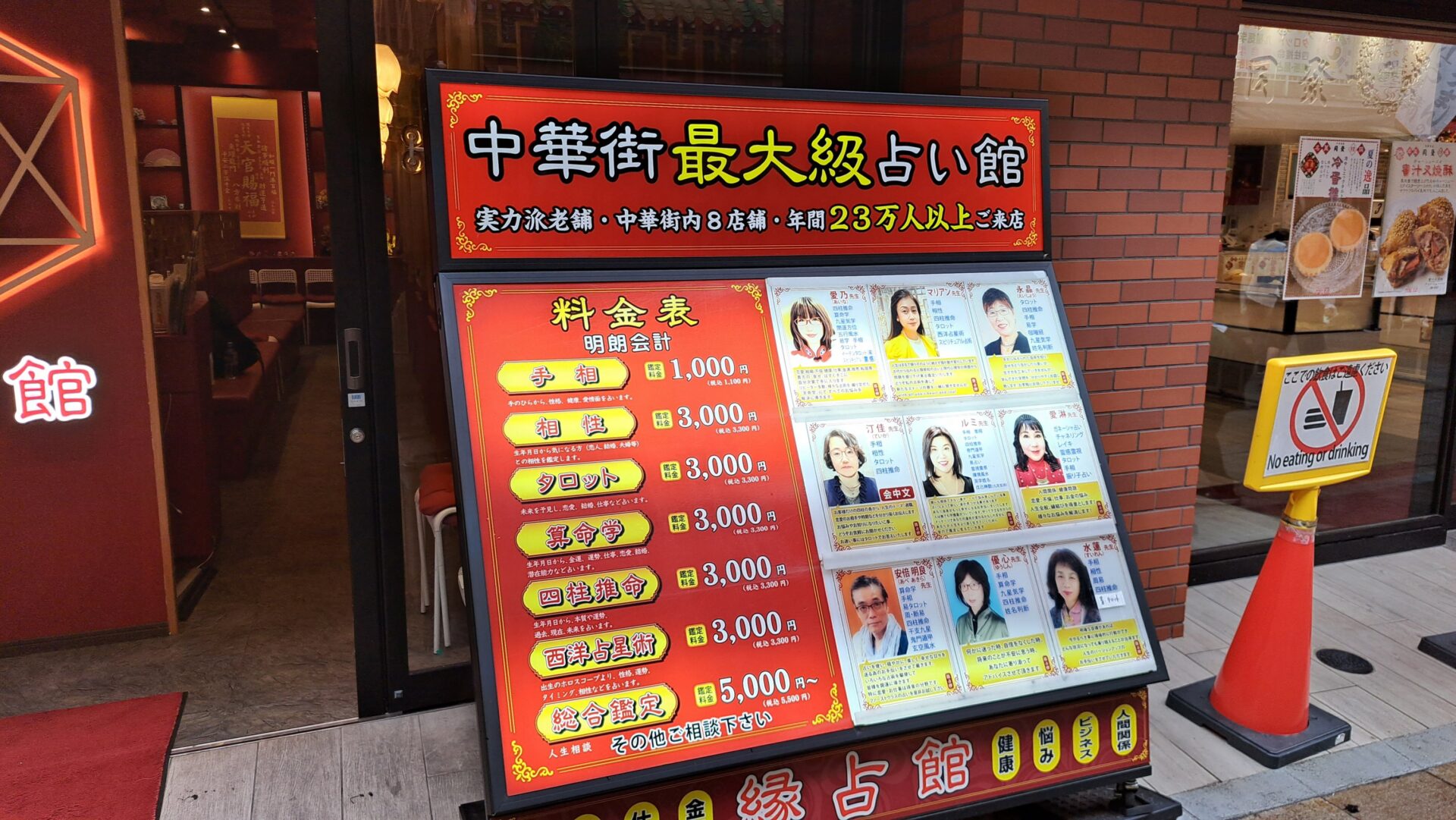
As you walk through Chinatown, you will see fortune-telling signs everywhere. Chinatown is actually a hidden battlefield where you can casually experience a diverse range of fortune-telling methods, including palmistry, the Four Pillars of Destiny, tarot, and Feng Shui.
Many shops offer palm reading at affordable prices starting from around 500 to 1,000 yen per session, which is a great point because you can easily drop in between sightseeing or during a date. Trying out an authentic appraisal by a professional fortune teller for a fun travel memory or a quick test of luck is a classic way to spend time unique to Chinatown.
The Richly Colored “Kanteibyo Temple,” Enshrining the Deity of Business Prosperity
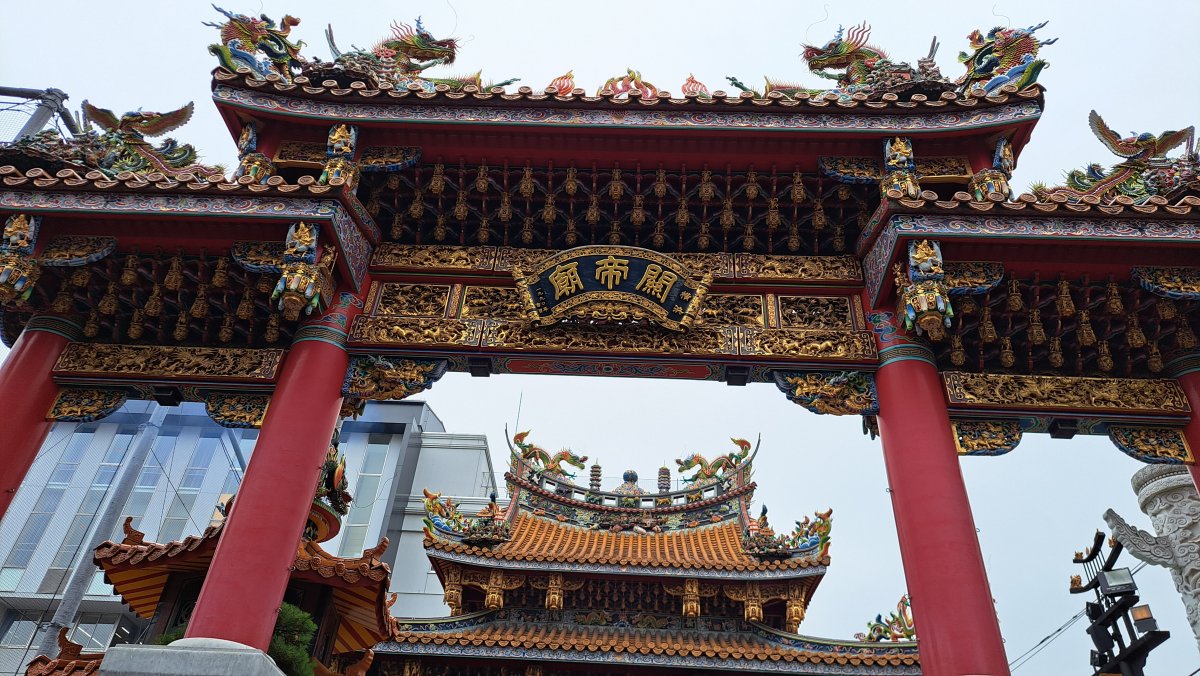
Standing in the center of Chinatown, this beautiful temple (shrine) can be called the very symbol of the town. “Guan Yu,” a hero of the Three Kingdoms and an actual historical general, was highly skilled in financial management and is thus enshrined here as a deity of business prosperity and academic success.
The moment you step into the grounds, your eyes will be captured by the beauty of traditional Chinese architecture. The columns adorned with detailed carvings, the dazzling gold leaf, and the richly colored decorations that look stunning against the blue sky are absolutely worth seeing.
“Baby Star Land,” Featuring Limited Souvenirs You Can Only Buy Here
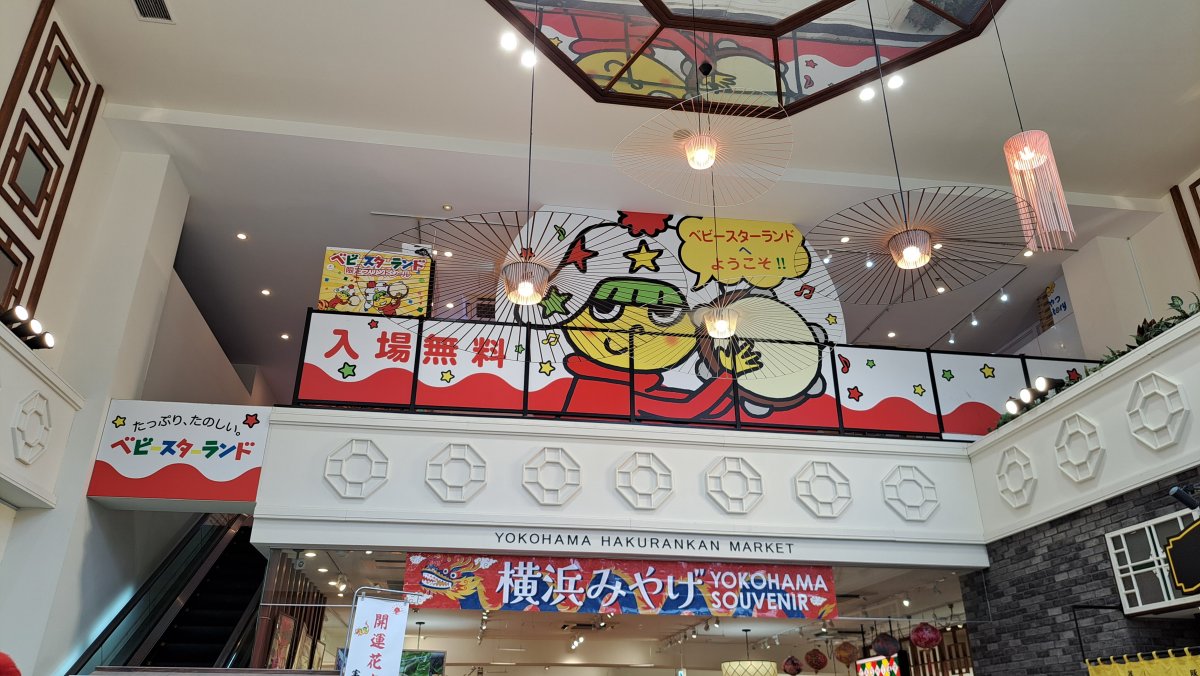
Located on the 2nd floor of the commercial facility “Yokohama Hakurankan,” this popular spot is free to enter and easy to drop by. In addition to watching the manufacturing process through the glass, you can taste warm, fragrant, “freshly made Baby Star” ramen snacks right on the spot.
The shop is lined with special Baby Star snacks in limited Yokohama Chinatown packaging and unique original goods that can only be obtained here.
Location and Access of “Yokohama Chinatown”
Location
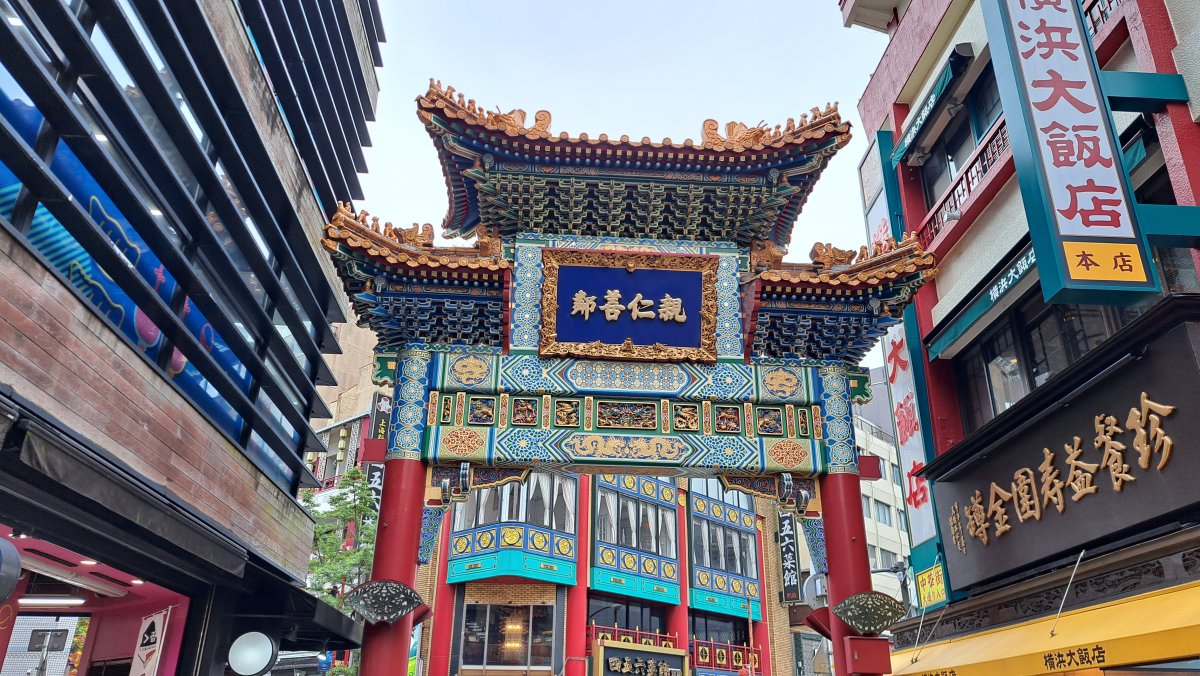
Located in Yamashitacho, Naka-ku, Yokohama, Kanagawa Prefecture, it can be accessed on foot from multiple surrounding stations.
The closest is “Motomachi-Chukagai Station” on the Minato Mirai Line, which is located right in front of you—just a 1-minute walk from Exit 1. It also takes about a 5-minute walk from “Ishikawacho Station (Chinatown Exit)” on the JR Negishi and Keihin-Tohoku Lines, and about a 7-minute walk toward the Yokohama Stadium direction from “Kannai Station” on the JR and Yokohama City Subway lines.
If you are not fond of walking, a taxi is also recommended. We recommend boarding from JR “Sakuragicho Station” and telling the driver, “Pass the Choyomon (East Gate) of Chinatown and drop me off near the Yamashita-Koen-mae intersection.” This drops you off just before the main street, taking about 10 minutes for the ride and costing around 1,500 yen.
Photo Gallery of “Yokohama Chinatown”
Please enjoy the photos of “Yokohama Chinatown.”
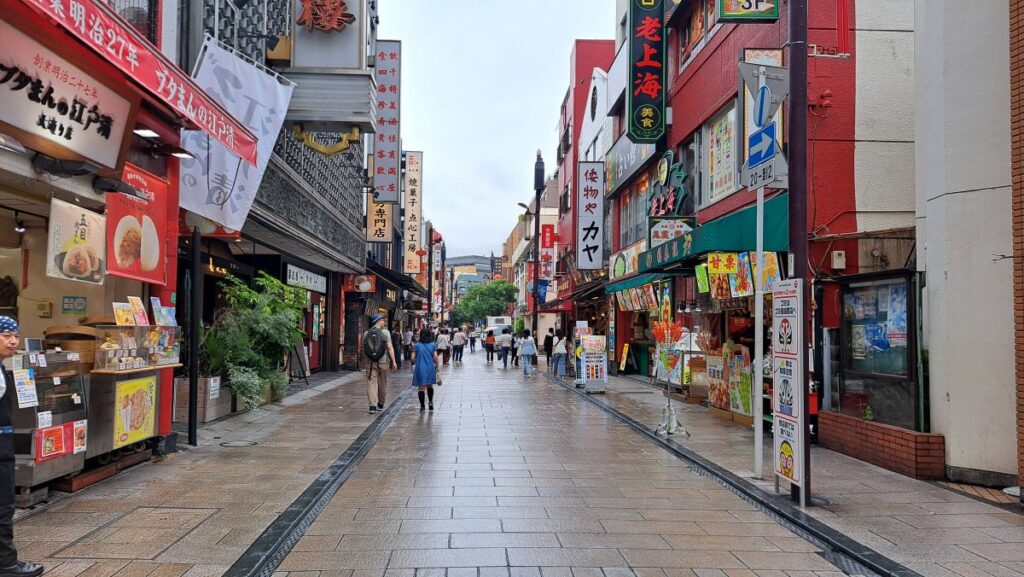
Shot in June 2026: Chinatown around 10:00 AM on a weekday Monday (just after the rain stopped). With fewer tourists, you can enjoy Chinatown at a relaxed pace.
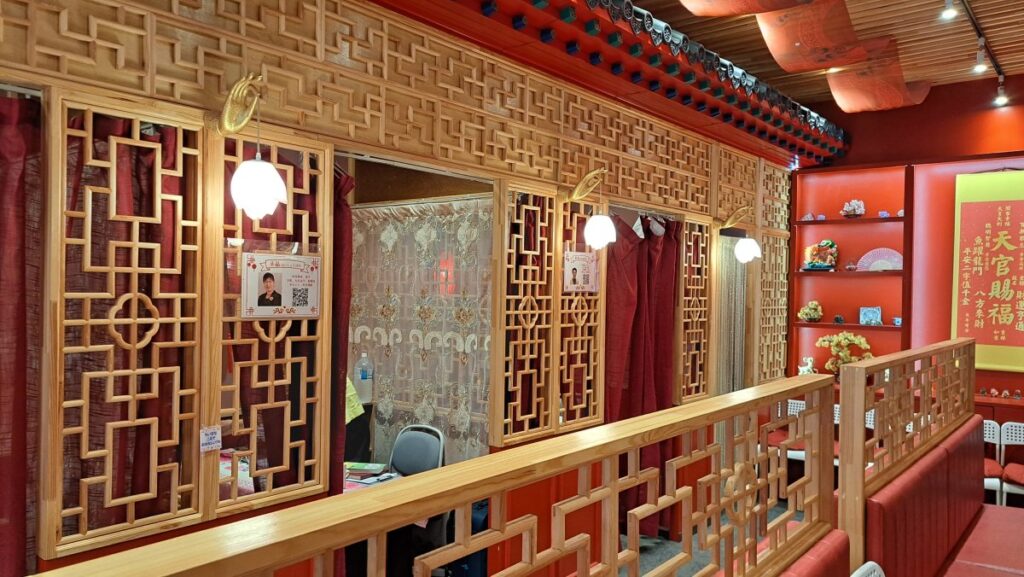
Shot in June 2026: Inside the fortune-telling salon “Rokusenkan.” Chinese-style small rooms are lined up where individuals can get their fortunes read privately.
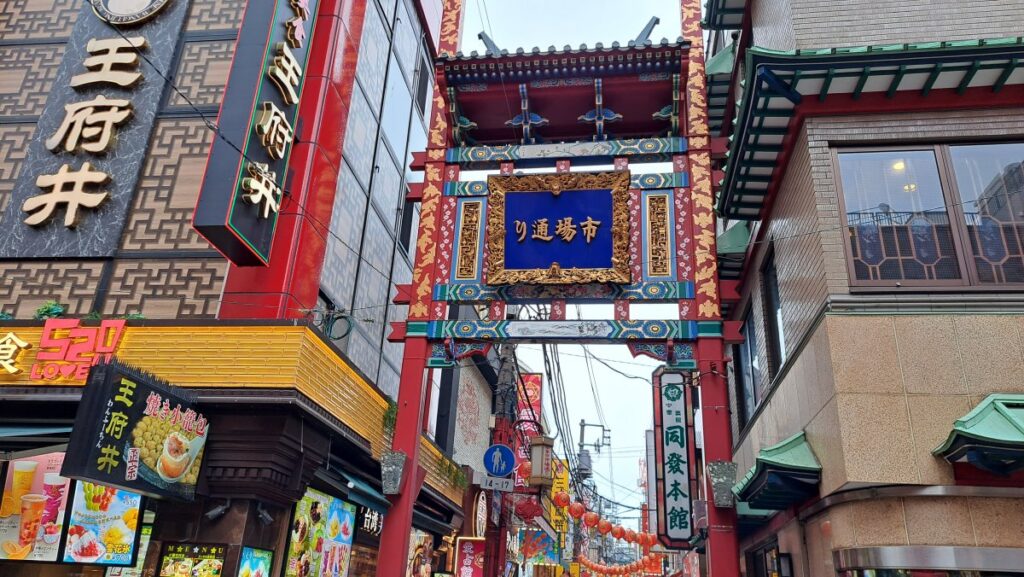
Shot in June 2026: Ichiba-dori (Market Street) in Chinatown. Many restaurants stand side-by-side along the narrow alley.
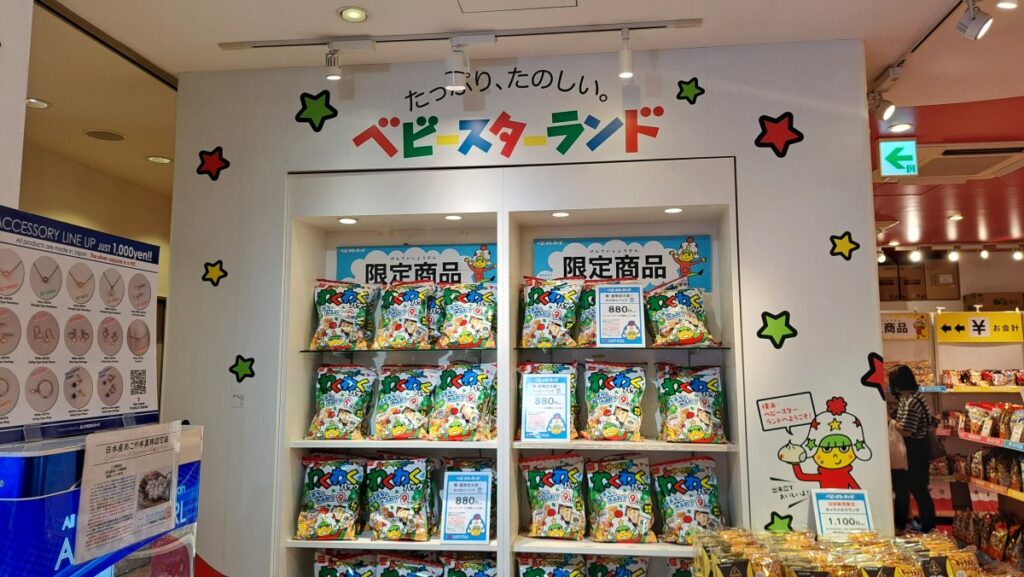
Shot in June 2026: Baby Star Land limited edition items—perfect for souvenirs.
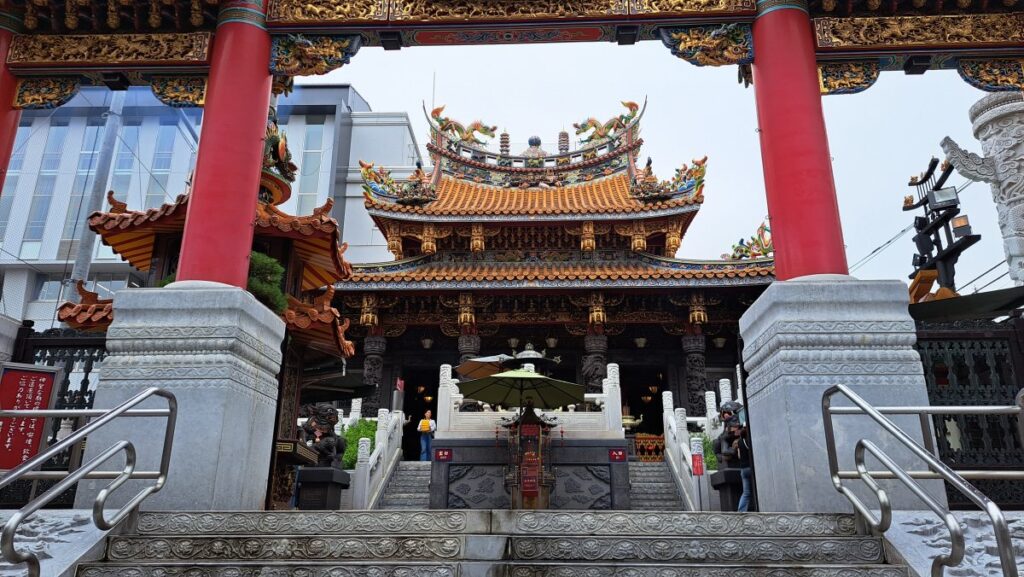
Shot in June 2026: “Kanteibyo Temple.” The stairs are slightly steep. It is well worth visiting to pray!
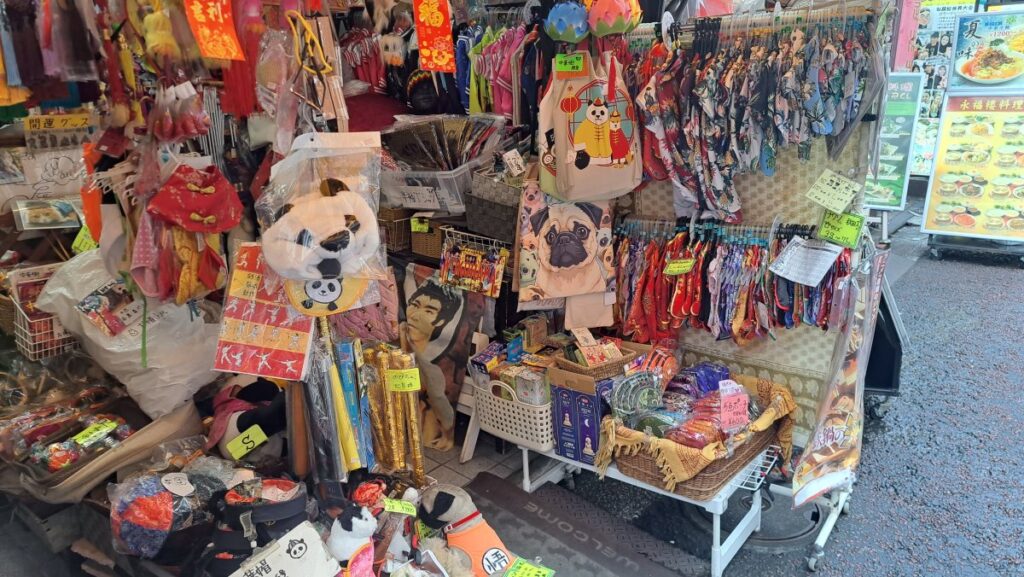
Shot in June 2026: Small items and souvenirs available in Chinatown. Many shops selling miscellaneous goods stand in rows.
FAQ for “Yokohama Chinatown”
Question
About how long does it take for sightseeing and walking around?
Answer
As a general guideline, it takes about 1.5 to 2 hours if you want to quickly tour the area focusing on street food and walking around, and around 3 hours if you want to enter a restaurant and sit down to enjoy lunch or dinner.
Question
Are there regular closing days? What time is recommended to visit?
Answer
There is no fixed regular closing day for the town as a whole, but it varies by individual shop. The town begins to liven up around 11:30 AM when most shops open, and the best time window for sightseeing is until around 20:00 when street food shops begin to close.
Question
Can I use credit cards, electronic money, or QR code payments?
Answer
They can be used at almost all large establishments and long-standing restaurants. However, cash-only establishments (where cashless payment is unavailable) are still scattered among small street food specialty stalls or certain palmistry spots, so it is safer to carry some cash.
Question
Are there toilets within the town?
Answer
Public toilets on the streets are limited in number and tend to get crowded. It is recommended to use the restrooms inside commercial facilities like “Yokohama Hakurankan” or inside the restaurants you visit for dining beforehand.
Summary: “Yokohama Chinatown”
Yokohama Chinatown is Japan’s largestチャイナタウン where traditional flavors protected for generations and the latest trends are tightly packed within a 500-meter square area. Every time you visit, there are lively new discoveries, and it is filled with charms that never fail to satisfy whether you are looking for dining, strolling, or experiences.
- Around 500 Chinese Restaurants: From luxury courses at long-standing establishments to lunches at hidden gems, you can thoroughly enjoy authentic Chinese food culture according to your budget.
- A Variety of Street Food Gourmet: Along with classics like fried xiaolongbao and pork buns, trendsetting foods that can be easily snacked on—such as the Malatang popular in 2026—are extensive.
- Casual Fortune Telling: A one of Japan’s best places to experience fortune-telling, the Four Pillars of Destiny, and more at affordable prices starting from around 500 to 1,000 yen per session.
- Town Symbols and Limited Spots: Home to the richly colored “Kanteibyo Temple” dedicated to the deity of business prosperity, and “Baby Star Land” featuring limited souvenirs you can only buy here.
- Smooth Access: Within walking distance from multiple stations. For those who dislike walking, taking a taxi from Sakuragicho Station toward the Yamashita-Koen-mae intersection is recommended.
Whether you choose to feel the energy of the main street bustling with crowds or step into the back alleys to look for deep, hidden gems, there are countless ways to enjoy yourself, making Yokohama Chinatown a delightful place to visit no matter how many times you go.

This website is operated by "Don Don Travel Guide"
Author: Boon
Our mission is to share valuable information with the world through informative and engaging travel media.
Best Japan Tours
This site is a participant in the Amazon Services LLC Associates Program, an affiliate advertising program designed to provide a means for sites to earn advertising fees by advertising and linking to Amazon.com.
This site uses Google AdSense to display advertisements and earn revenue.
This site utilizes various affiliate service providers (ASPs) to display advertisements and earn commissions through qualifying purchases.