Ad: This page contains affiliate links.
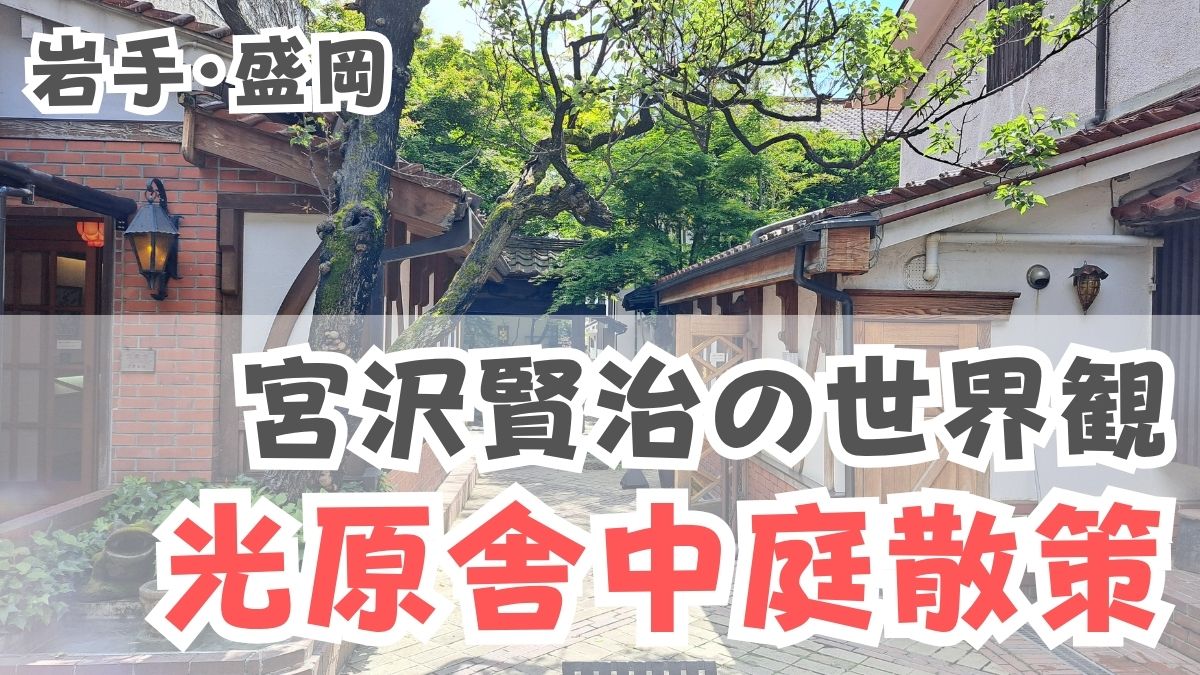
Nestled quietly in the city of Morioka, “Kogensha” has its roots in the printing house that published Kenji Miyazawa’s first edition of The Restaurant of Many Orders, and even today, it is a spot where the lingering memory of the story drifts strongly. You can freely enter and exit the cobblestone courtyard, where peaceful time flows with the crossing of sunlight filtering through the trees and the aroma of coffee.
Surrounded by a retro atmosphere as if having wandered into the setting of a fairy tale, while softly experiencing the scenery and culture of Iwate that Kenji loved—why don’t you also set out on such a “nostalgic stroll”?
In this article, based on information and photos directly experienced by the author upon actually going, we introduce the worldview of Kenji Miyazawa at “Kogensha.”
Charms of “Kogensha,” a Place Associated with Kenji Miyazawa
Taisho-Romantic Courtyard Scenery Woven by Cobblestones and Retro Buildings
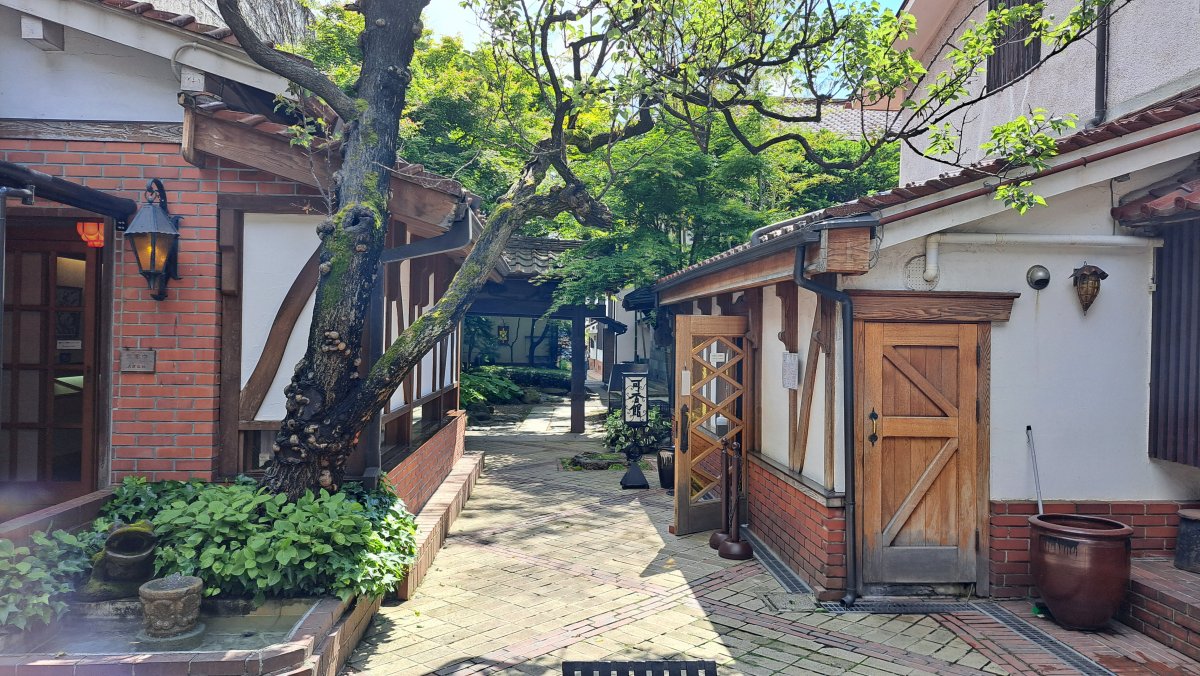
The moment you step inside, an alley with a beautiful contrast of brick and plaster stretches out, with cobblestones that have accumulated time under your feet. Slightly mossy stones and the green of trees sparkle under the morning sunlight filtering through the leaves. Wooden-framed glass doors and classic iron lamps communicating traces of the Taisho era to the present line up like the set of a story, naturally inviting your imagination to the nearly century-long history that Kogensha has walked.
Literary Cafe Time Spent at “Kahikan,” Fragrant with Drip Coffee
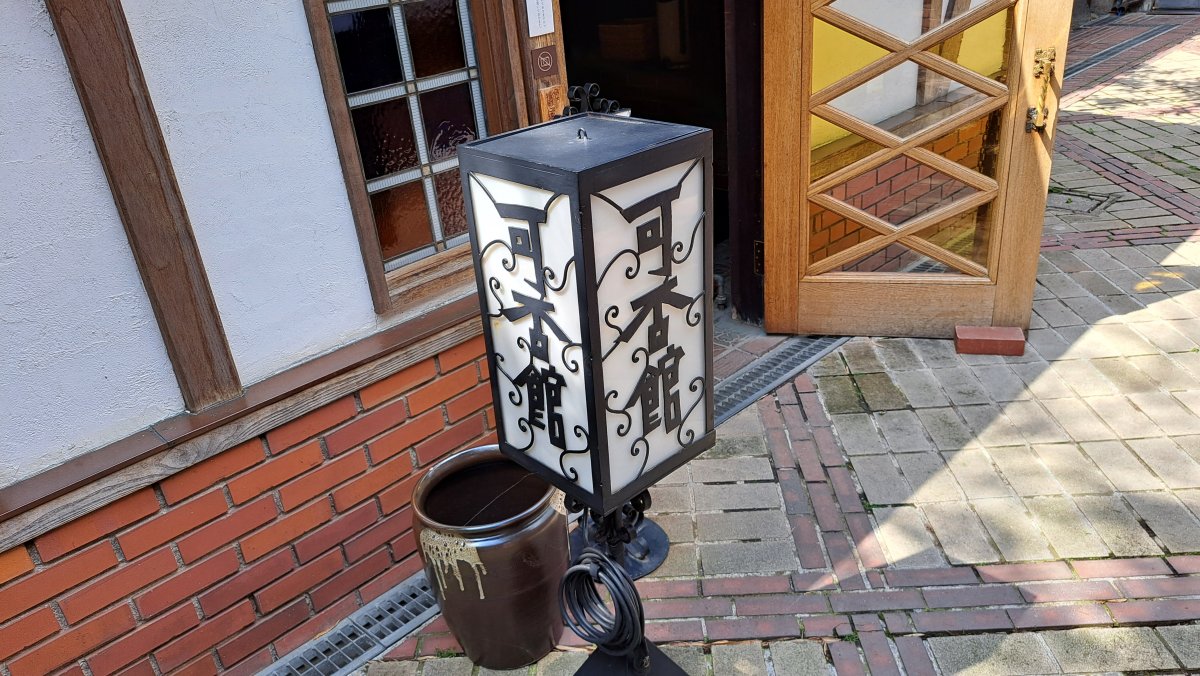
“Kahikan,” which also has a beautiful name, is a retro and stylish coffee shop evoking the Taisho era operating in the courtyard of “Kogensha.” In the early afternoon, it also becomes a coffee shop where neighborhood ladies (?) gather, and laughter is often heard inside the store. Freshly brewed coffee is delicious and offers a flavor allowing you to take a breath of relief; it is a coffee shop you definitely want to drop by during a stroll. (Photography inside the store is prohibited.)
Space Feeling the Healing Breeze Along the Kitakami River
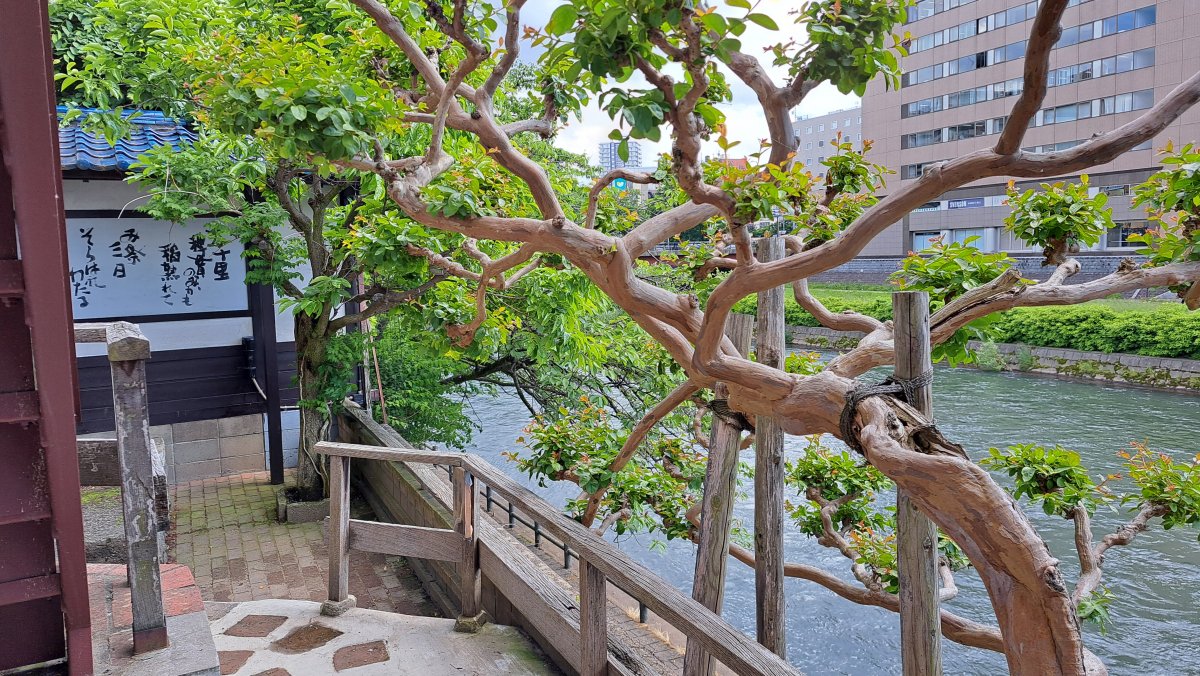
Exiting Kahikan and proceeding to the back, your field of vision opens up and the clear stream of the Kitakami River appears. Standing along the fence, a cool breeze crossing the river surface brushes your cheeks, scattering sunlight filtering through tree branches. On the background white wall, a verse of Kenji Miyazawa’s poem is written in ink characters, letting you feel a unique tranquility where literature and nature cross, truly expanding into a “space feeling the healing breeze.”
White Walls Feeling the Poems of Kenji Miyazawa
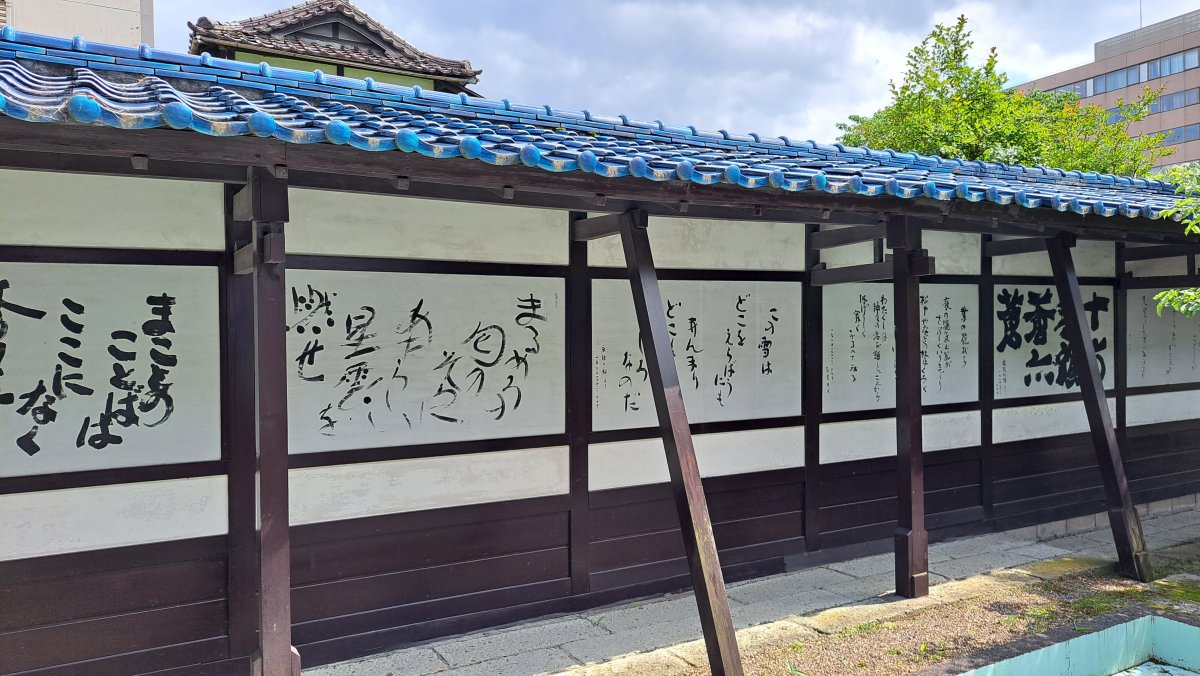
On the white walls topped with indigo tile roofs, verses of Kenji Miyazawa’s poems are written in ink characters, breathing as if they were part of the scenery. The lines bleeding with black ink feel like a “canvas of poetry” visualizing the nature and prayers of Tohoku spoken by Kenji. It is a white wall overflowing with quaint charm.
Museum Reflecting on Kenji Miyazawa
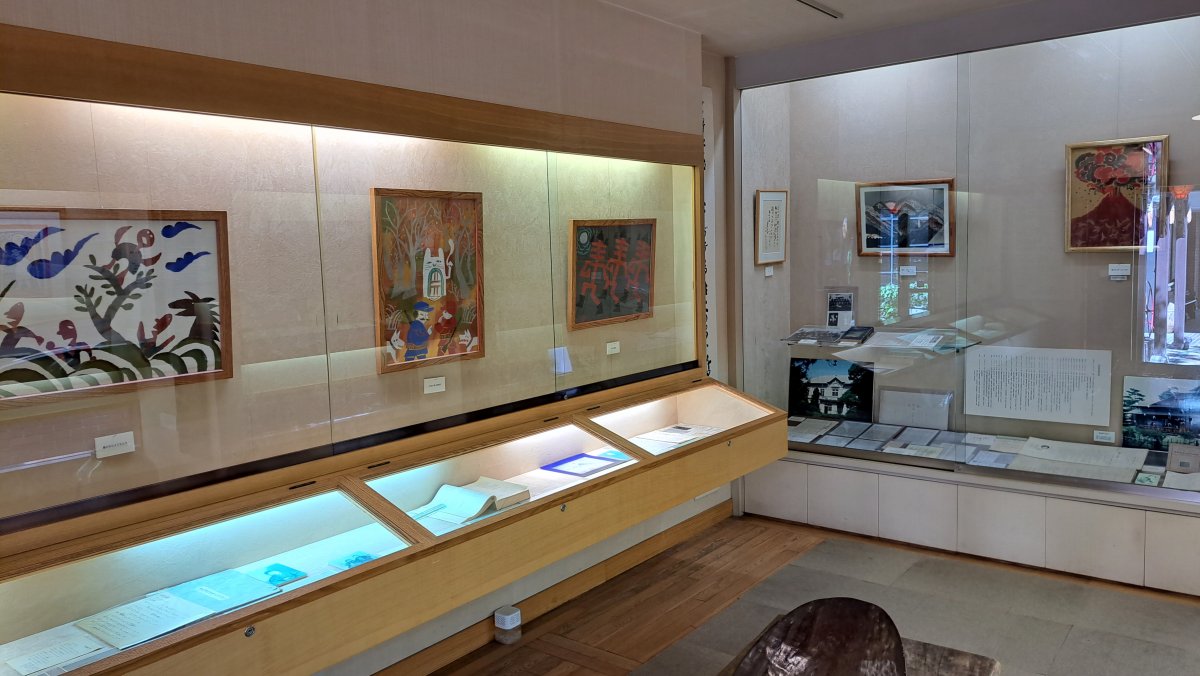
There is a cozy exhibition room (museum). Inside the glass cases, primary materials where the breath of creation can be felt—such as copies of Kenji Miyazawa’s drafts, letters, and proofreading sheets of the first edition—are lined up. On the wall surfaces, woodblock prints and cover art motifs of Kenji’s works are also hung, their colors faintly floating under soft spotlights.
Experience Story: Going to “Kogensha” on a Weekday with Gentle Sunlight
A Certain Day in June 2025: Walking to “Kogensha” from Morioka Station on a Fine Weekday
On a certain day in June 2025, I went from Tokyo to Morioka and visited “Kogensha.” Although you can walk from Morioka Station to Zaimokucho where “Kogensha” is located, there is a slight distance, so I put my suitcase in a locker at Morioka Station to become light-handed.
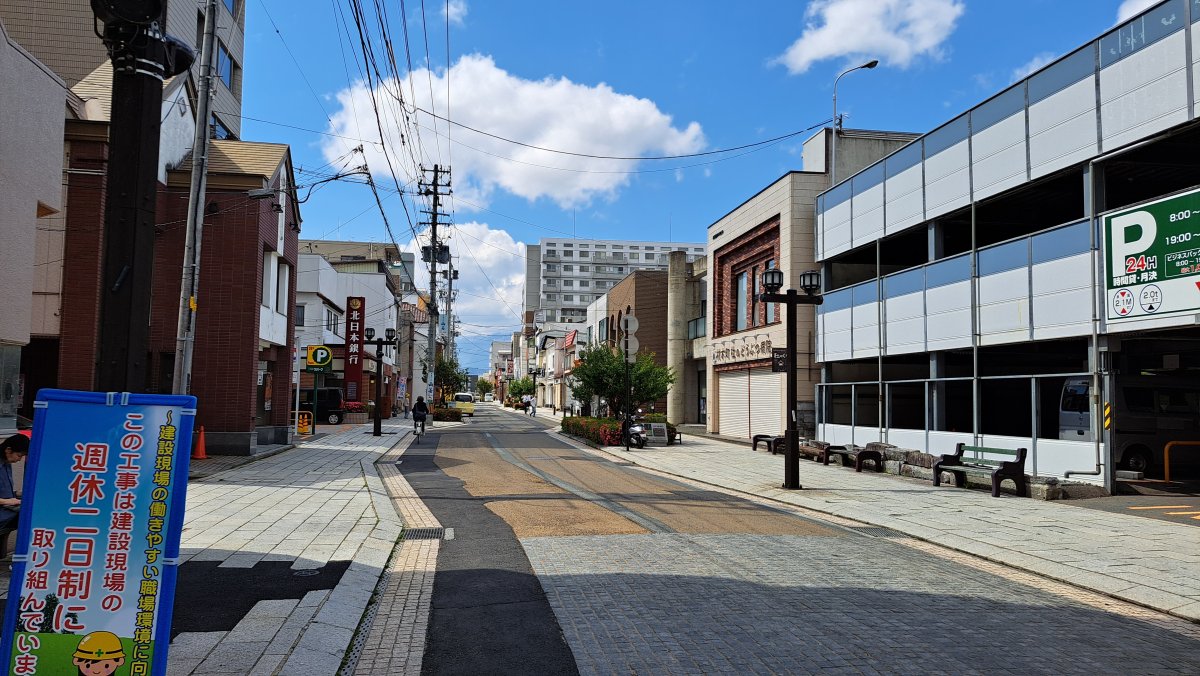
Exiting Morioka Station, crossing the river (bridge), and walking for about 10 to 15 minutes leads to Zaimokucho Street. The sidewalk is paved with cobblestones, making it a simple-looking yet quaint street. Walking forward a little, “Kogensha” becomes visible on the left side.
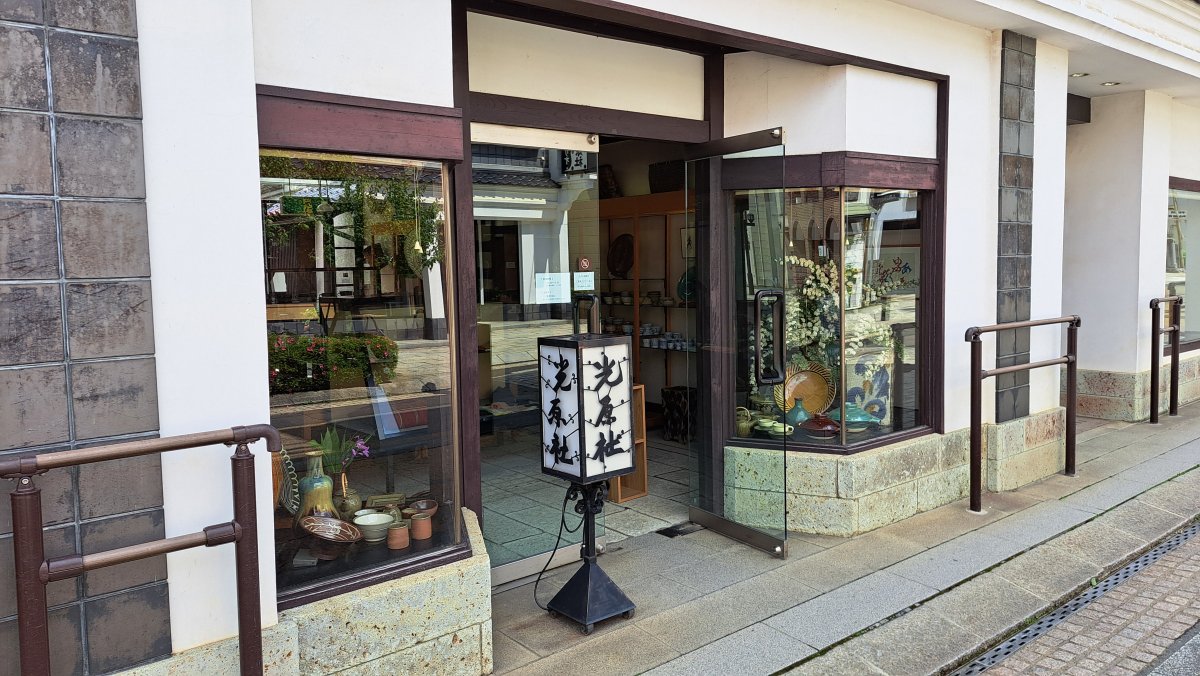
The exterior of “Kogensha” also has a construction that feels romantic, making it feel as if time-traveling to the Taisho era just by standing in front of the shop. The items being sold are also wonderful, and enjoying careful appreciation and shopping here also seems nice.
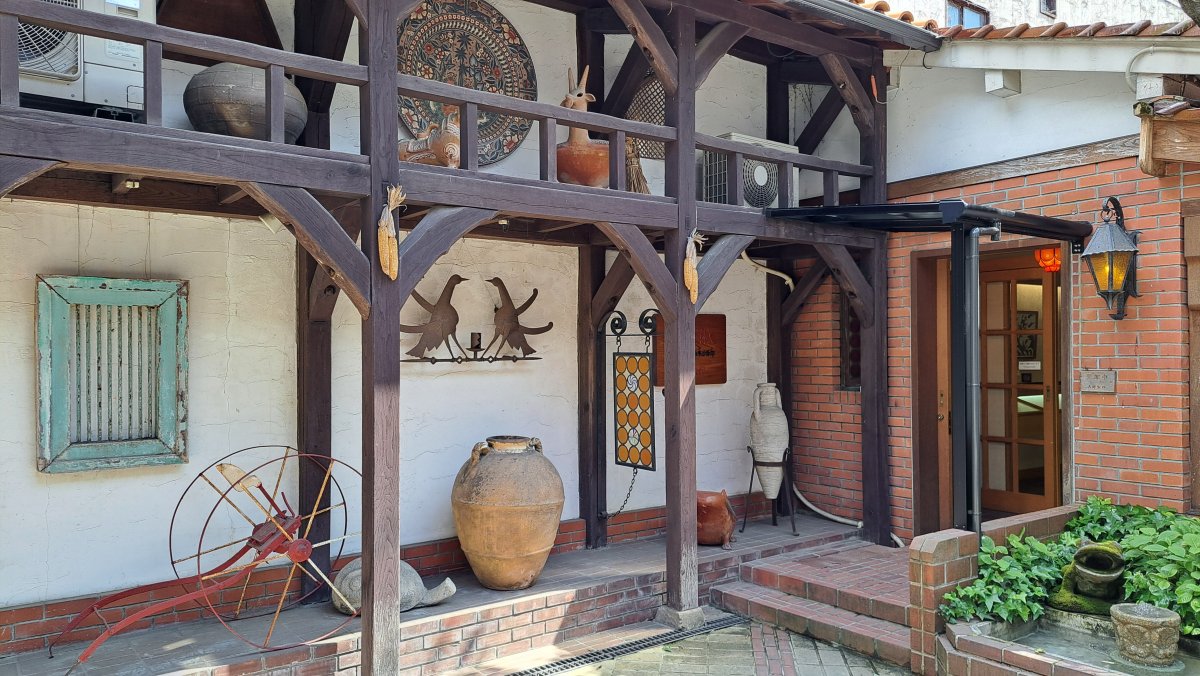
Entering the courtyard of “Kogensha,” the harmony between the brick-style building and the white walls decorates beautifully, and the items displayed are all old-fashioned yet novel things that catch the heart; I had already entered a space feeling the atmosphere of Kenji Miyazawa.
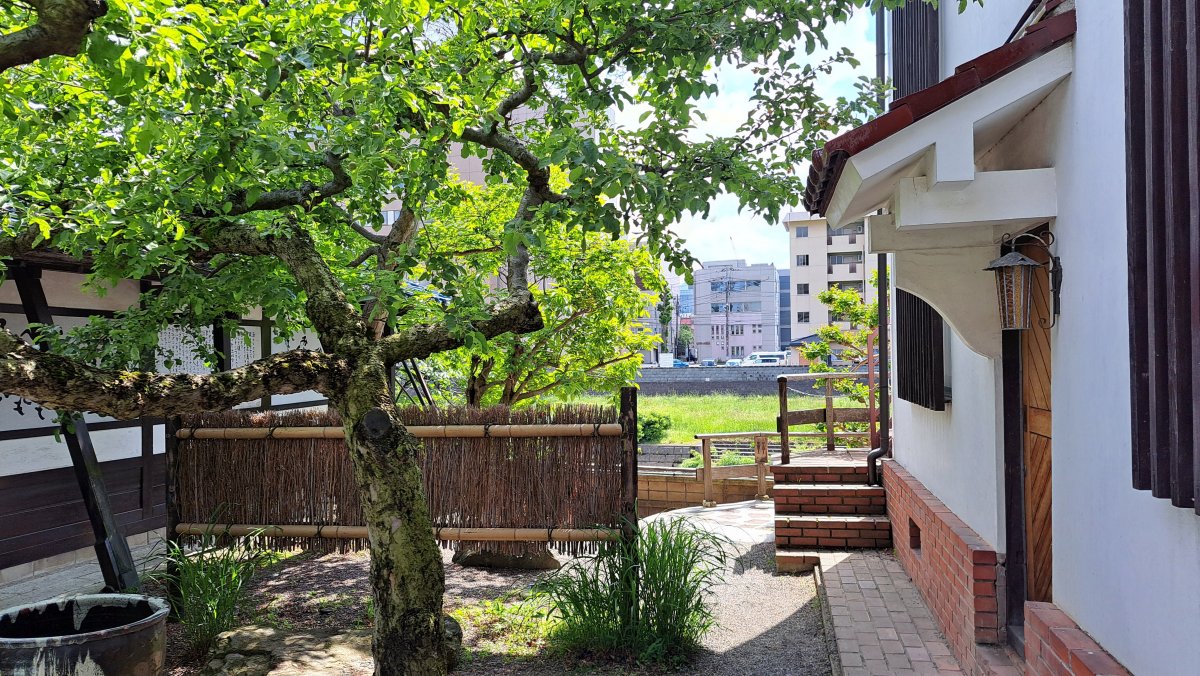
Proceeding to the back of the courtyard, the riverbed of the Kitakami River that comes into view and the river breeze you feel are pleasant.
Because there are almost no tourists on weekday afternoons, under the clear blue sky in the early afternoon with good sunlight, it is a wonderful spot where you can enter the worldview of Kenji Miyazawa at “Kogensha.”
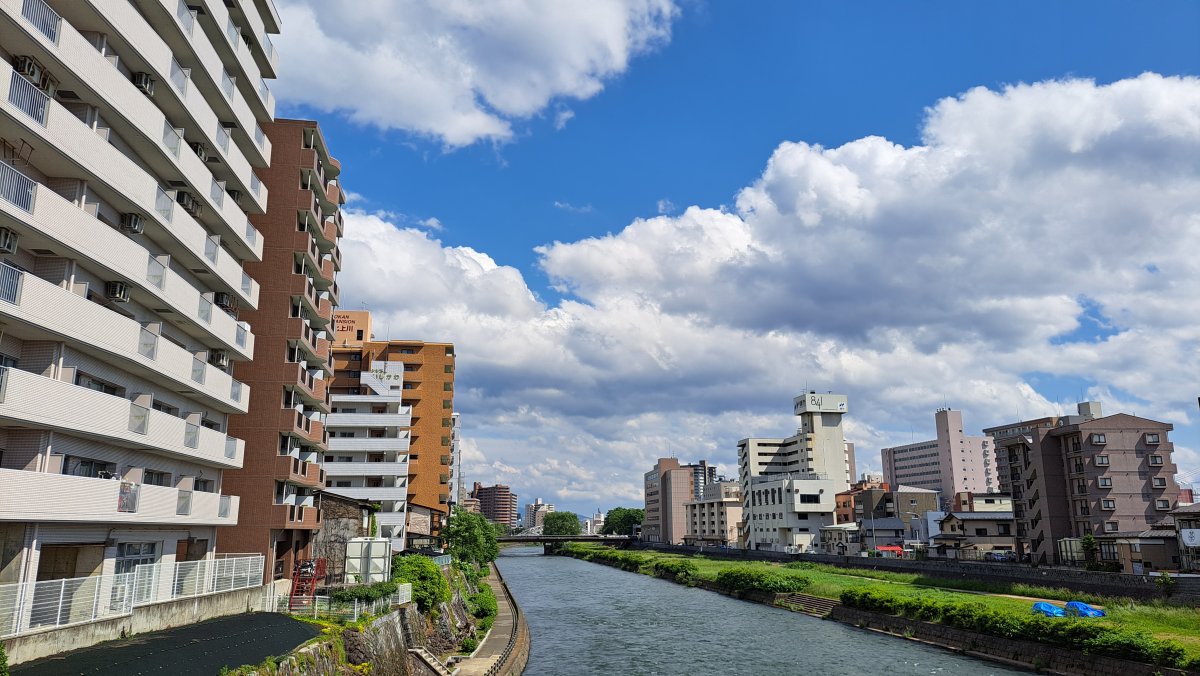
The collaboration between the beauty of the Kitakami River seen on the way back from “Kogensha” to Morioka Station and the blue sky of Morioka made me feel the freshness and wonderfulness of regional Japanese cities even further.
Morioka City, Iwate Prefecture is a city of rivers; the historic city cultivated together with clear streams nurtures people’s stable lives and gentle feelings, making it a very wonderful city. Going for sightseeing is good, living there is good; it is one of the recommended Japanese cities.
Photogenic Shooting Points
“Kogensha,” the courtyard where you can feel the thoughts of Kenji Miyazawa, and Zaimokucho Street are full of photogenic spots. You definitely want to enjoy taking photos as travel memories as well.
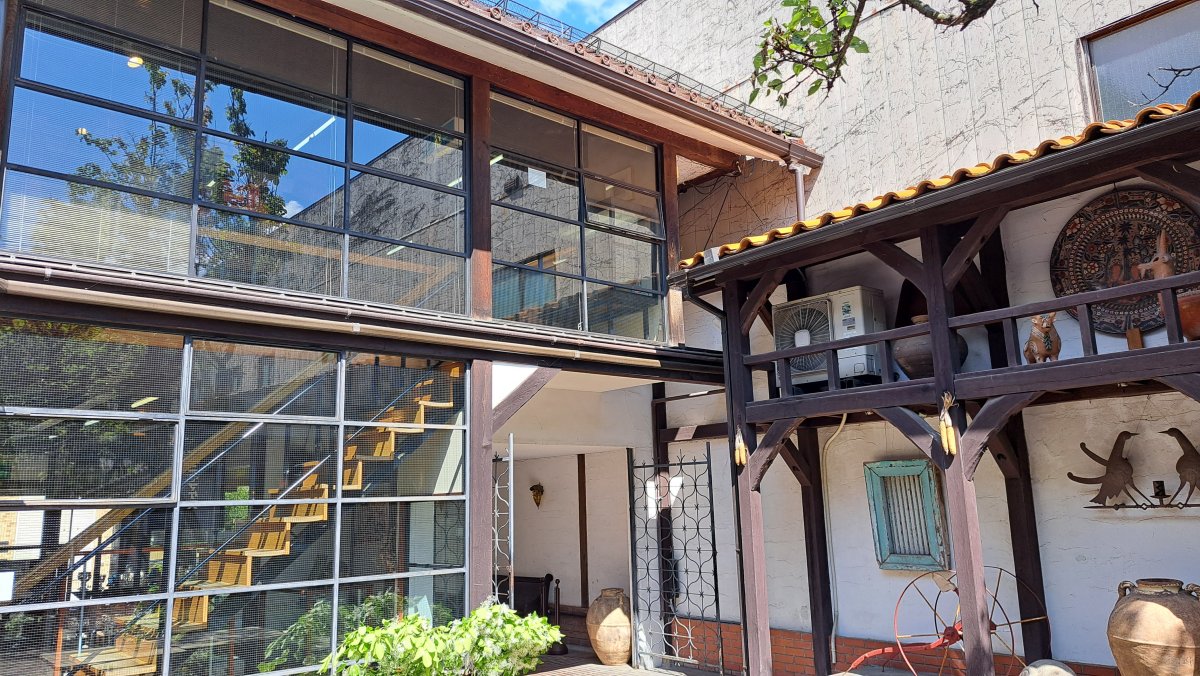
The back of “Kogensha” as seen from the courtyard side is also a quaint, photo-worthy spot with the store interior appearing glass-framed, stairs going up to the second floor, and harmony with the surrounding white walls.
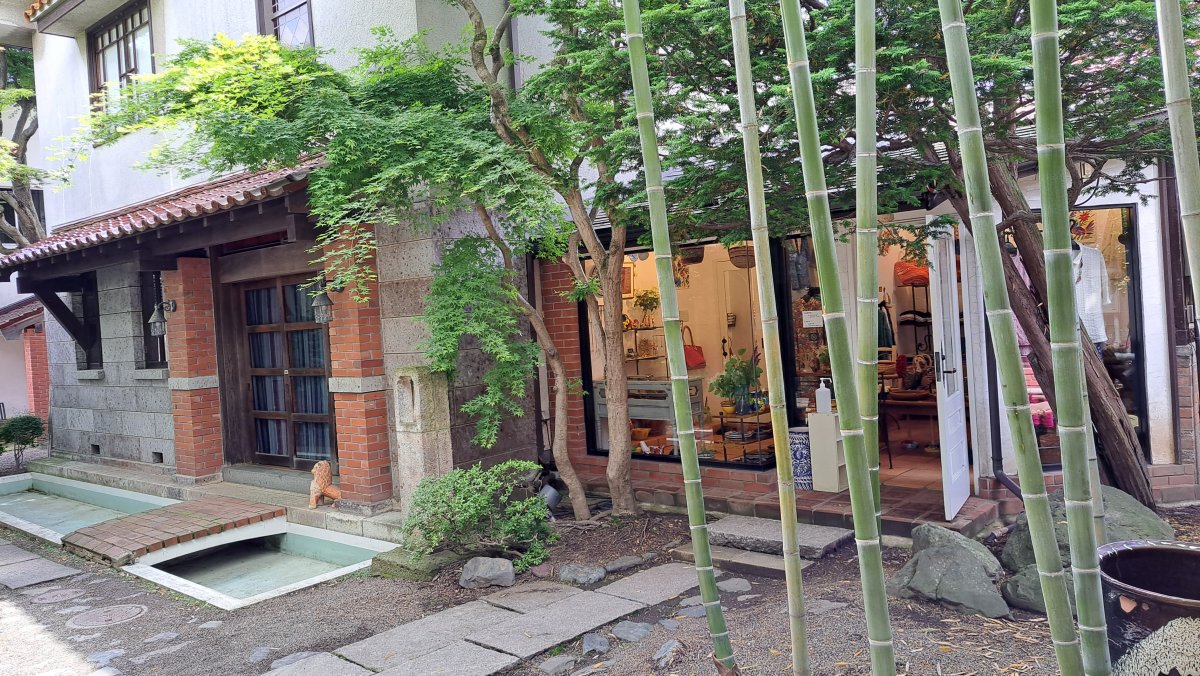
You are also drawn to the small-goods shop visible beyond the cute bamboo grove. Just like a Japanese garden conveying Japanese beauty with Taisho-style architecture and a grove of bamboo, being able to take a photo capturing the Japanese-style small-goods shop and those elements into a single picture is also part of the charm of “Kogensha”‘s courtyard.
Location and Access of “Kogensha”
Location
Located at a distance of about a 10-to-15-minute walk from Morioka Station, it is just the right distance for travelers to drop by in the afternoon. On fine days, strolling along riverbeds like the Kitakami River, dropping by Zaimokucho, and drinking dark roast coffee at “Kahikan” to relax is also wonderful.
Morioka Zaimokucho is a Wonderful Shopping Street with Traditional Japanese Goodness
Wonderful Shopping Street
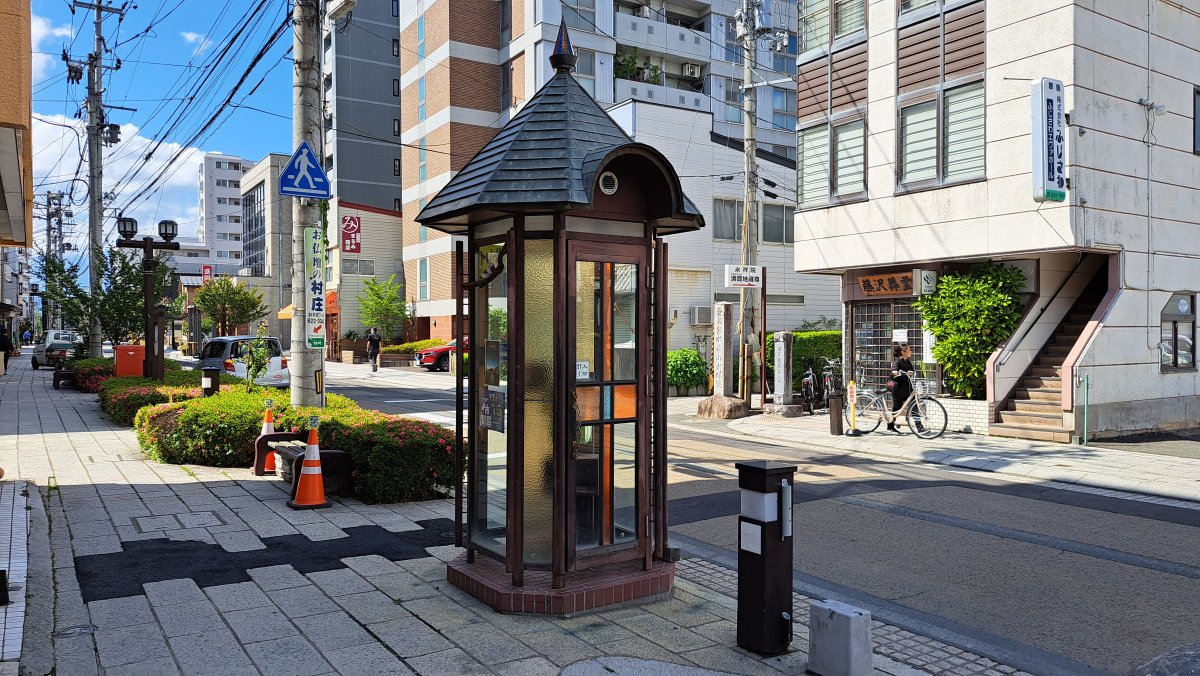
Morioka City Zaimokucho is a quaint former wholesaler district along the Kitakami River. Earthen-walled storehouse-style streetscapes and occasionally held night markets are popular; Kogensha, which published Kenji Miyazawa’s The Restaurant of Many Orders, and authentic coffee shops are scattered about, making it a wonderful street where you can enjoy strolling and cultural experiences. There are not so many shops to call it a commercial street, making it a strolling route where you can walk comfortably on cobblestone sidewalks.
The retro public telephone located near the center of Zaimokucho Street is a wonderful photogenic spot.
Yoichi of Zaimokucho
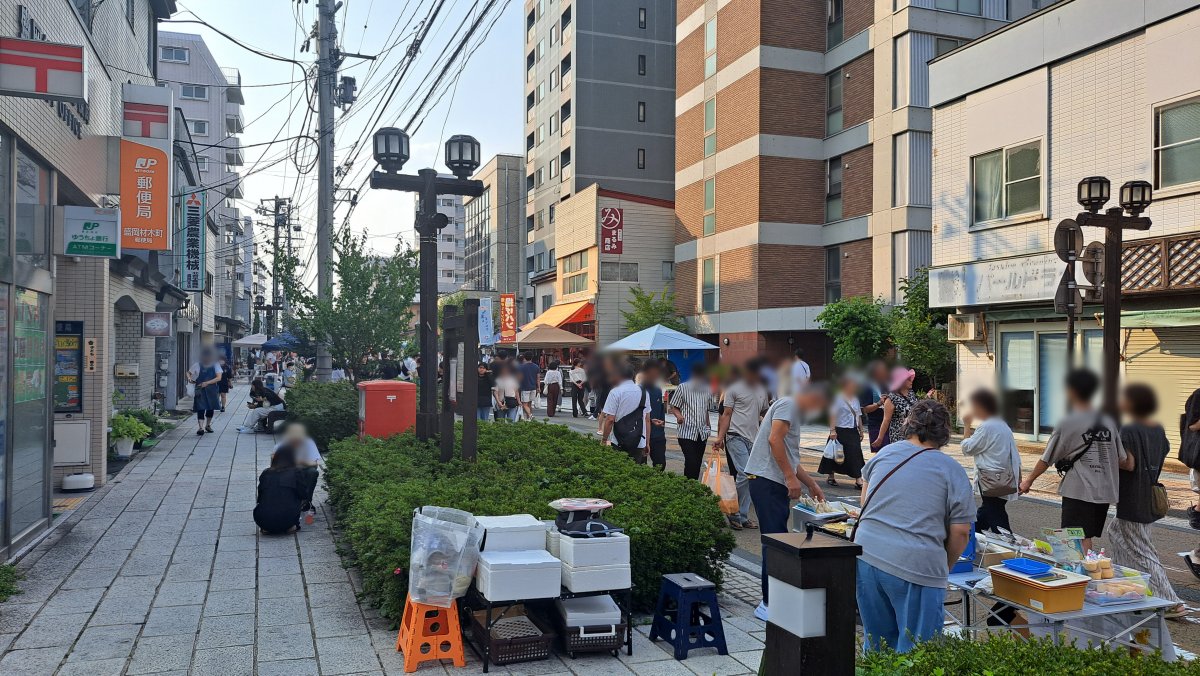
At the Zaimokucho Yoichi held occasionally, numerous stalls (food stands) line the road, making it a traditional “fun shopping street event” where you can walk around buying and eating beer, grilled seafood, sausages, and the like. Many people come out and it is lively, and fun meal times at tables and chairs on the road are also OK! In the hot summer, gulping down cold beer starting from the daytime is also the best.
Recommended Strolling Spots in Morioka City, Iwate Prefecture
Morioka Castle Site Park (Iwate Park), a Relaxation Spot for Morioka Citizens
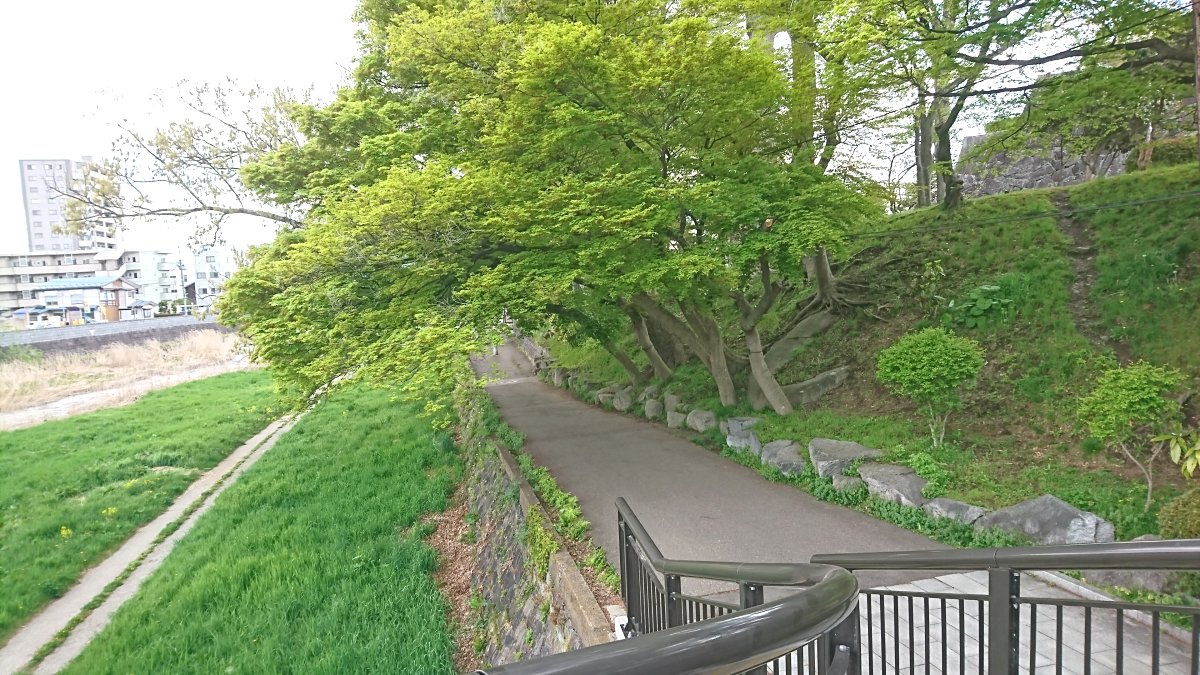
Iwate Nambu Clan’s castle is “Kozukata Castle” (accurately “Morioka Castle”) located in Morioka. Morioka Castle Site Park (Iwate Park), currently existing as a relaxation park for Morioka citizens, is a wonderful strolling spot woven by trees and castle ruins. Because it is adjacent to the clear Nakatsu River, enjoying it together with a riverside stroll allows you to walk even more pleasantly.
The castle of Iwate’s Nanbu Domain was “Kozukata Castle” (officially “Morioka Castle”) in Morioka. Here, we introduce Morioka Castle Site Park (Iwate Park), which currently serves as a relaxing park for Morioka locals. It is a delightful park surrounded by water and lush greenery where you can also feel the rich history.


Nostalgic “Daiji Shimizu” and Beautiful “Morioka Hachimangu”
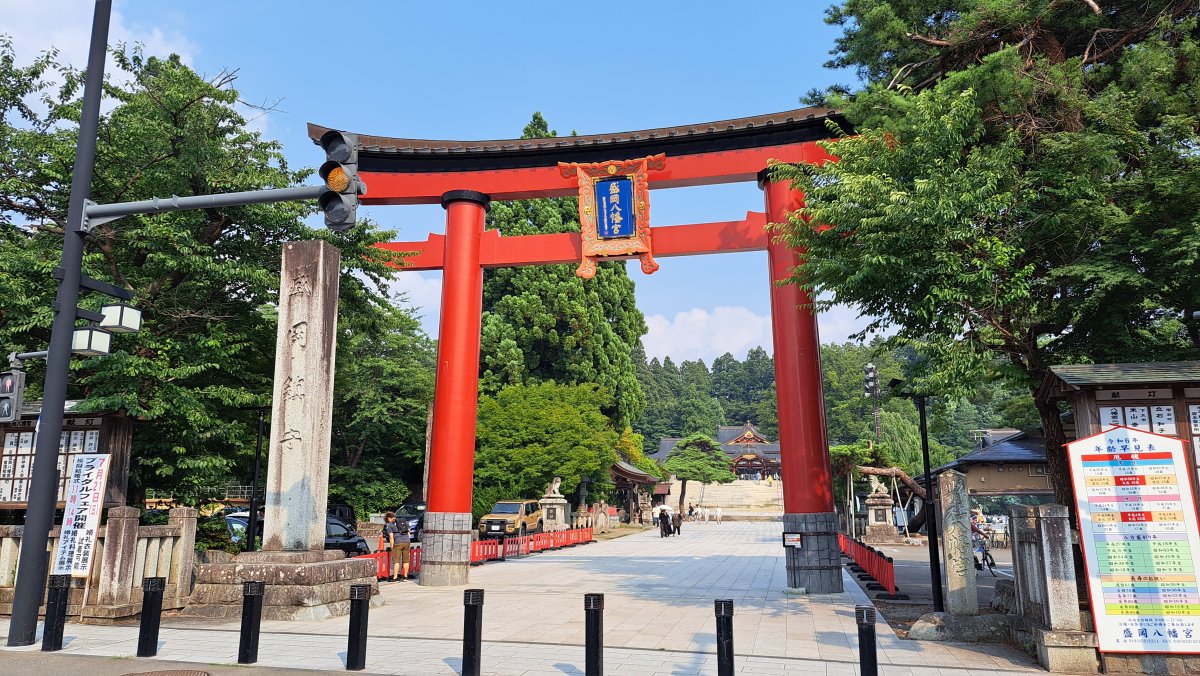
In Morioka, an ancient capital where the atmosphere of a good old river town is still alive today, the shrine “Morioka Hachimangu” located somewhat away from the station and “Daiji Shimizu” reachable on foot in about 15 minutes from the Hachimangu Shrine are nostalgia-evoking famous spots that make you feel Japan’s good old era.
Strolling through “Daiji Shimizu” and “Morioka Hachimangu,” which are just right for a stroll to feel good old Morioka, is also a recommended route.
In Morioka, an old city where the charm of a good old river town still lives on, “Morioka Hachimangu Shrine” (located slightly away from the station) and “Daiji Shimizu” (about a 15-minute walk from the shrine) are nostalgic landmarks that evoke the atmosphere of Japan’s good old days.
Recommended Hotels in Morioka City, Iwate Prefecture
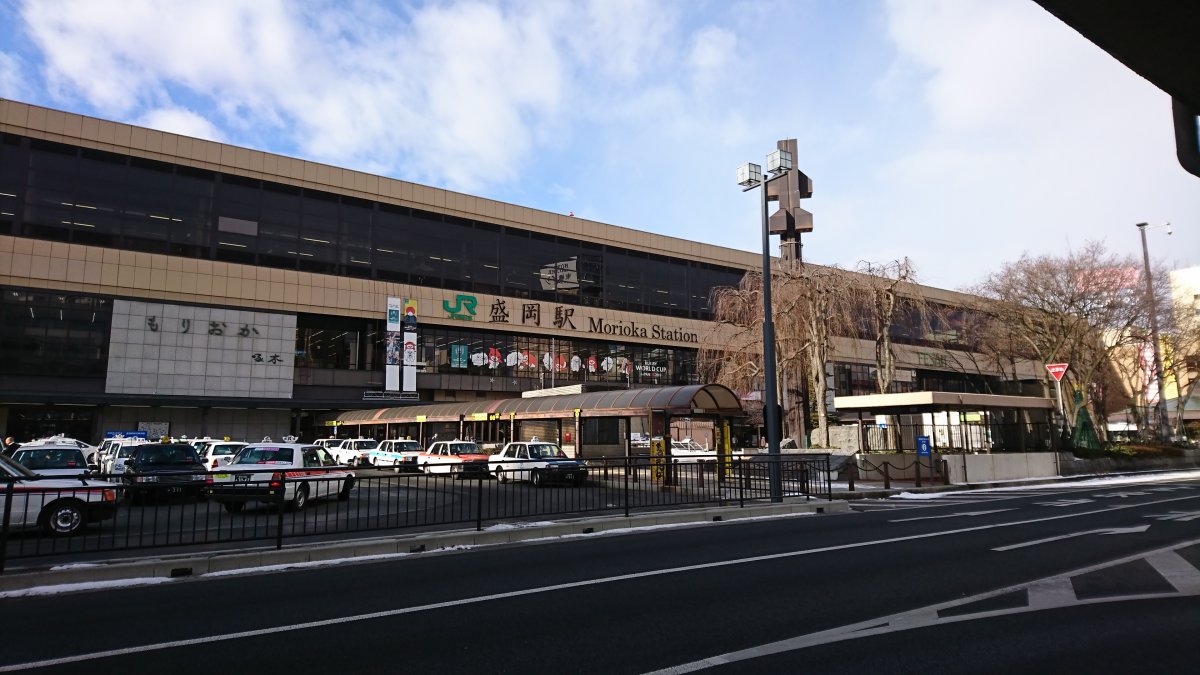
Because Morioka City, Iwate Prefecture is originally a city where the Shinkansen came to a castle town, as is quite common in regional cities, the traditional castle town downtown area and the front of the station are separate. Considering location and movement, you may hesitate whether to stay in front of the station or stay in the downtown area to enjoy gourmet food and izakaya bars. The following article introduces recommended hotels by area in Morioka City, Iwate Prefecture.
Morioka is an old castle town where the charm of good old Japan still lives on. To fully enjoy and explore Morioka, choose a high-quality hotel in a recommended area.
Summary: A Nostalgic Stroll Savored at “Kogensha” in Morioka City, Iwate Prefecture
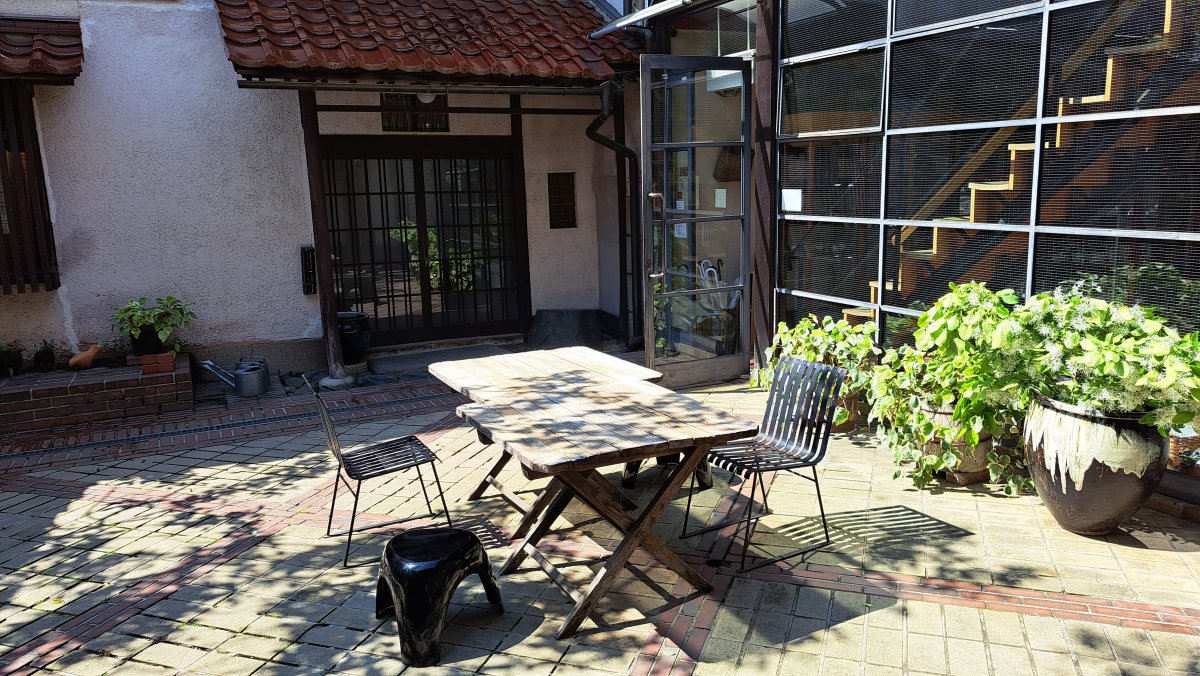
Communicating to the present day the history of sending Kenji Miyazawa’s first edition into the world, Kogensha is a complex space of literature and folk crafts that can be enjoyed as a set—cobblestone courtyard, retro coffee shop “Kahikan,” Kitakami River deck, white walls engraved with poetry, and Kenji museum. We introduced a nostalgic stroll savored at “Kogensha.”
- Heart-Unwinding Scenery: The Taisho-romantic courtyard woven by cobblestones and ivy is exceptional during the time slot wrapped in soft morning light.
- Lingering Memory of Coffee and Story: Drip coffee at Kahikan expands into a deep lingering memory like turning pages of Kenji’s works.
- Synchronization of River Sound and Poetry: The murmuring of the Kitakami River and ink characters on white walls resonate, allowing you to experience “Kenji romance” with all five senses.
Enjoying coffee at Kahikan while touring the courtyard, taking a deep breath by the riverside, and immersing in Kenji’s world at the corridor of poetry and the museum—Kogensha is one of the places that elevates a Morioka stroll into a “journey of stories.” Acquiring a favorite vessel at the long-established folk craft shop allows you to savor the lingering memory of the trip at home as well.
Combining it with “Zaimokucho Yoichi” or the nearby Morioka Castle Site Park to spend a nostalgic day in Morioka is also wonderful.
Standing along the Nakatsu River in Morioka City, Iwate Prefecture, the “Iwate Bank Red Brick Building” is a red-brick structure completed in 1911 (Meiji 44). Formerly used as the bank’s head office, it has been restored and preserved, and is now open to the public as one of Morioka’s iconic historical landmarks.
This website is operated by "Don Don Travel Guide"
Author: Boon
Our mission is to share valuable information with the world through informative and engaging travel media.
Best Japan Tours
This site is a participant in the Amazon Services LLC Associates Program, an affiliate advertising program designed to provide a means for sites to earn advertising fees by advertising and linking to Amazon.com.
This site uses Google AdSense to display advertisements and earn revenue.
This site utilizes various affiliate service providers (ASPs) to display advertisements and earn commissions through qualifying purchases.