Ad: This page contains affiliate links.
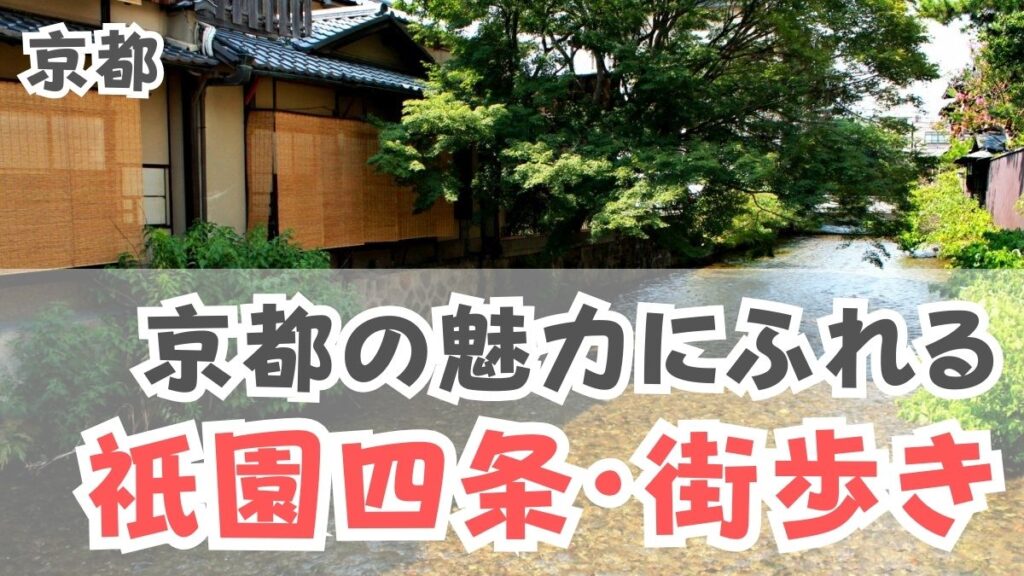
Kyoto, a city filled with good old Japanese beauty. Even while merged into a modernized Japanese city, it is a town that continues to protect tradition—a wonderful city that moves the heart and makes it flutter, yet allows for a peaceful walk; that is Japan’s proud city of Kyoto.

I often hear about Kyoto’s Gion-Shijo, but specifically what kind of highlights are there?

It’s an area where highlights are condensed, from atmospheric cobblestone streetscapes and views of the Kamo River to deeply historical shrines and temples! I’ll introduce plenty of charms perfect for an adult stroll.
In this article, based on the author’s actual experience walking around and sightseeing in Kyoto’s Gion-Shijo, we introduce recommended spots and highlights of Gion-Shijo.
Charms of Traveling Kyoto’s Gion-Shijo
Walking the Streetscape of Kyoto / Gion-Shijo
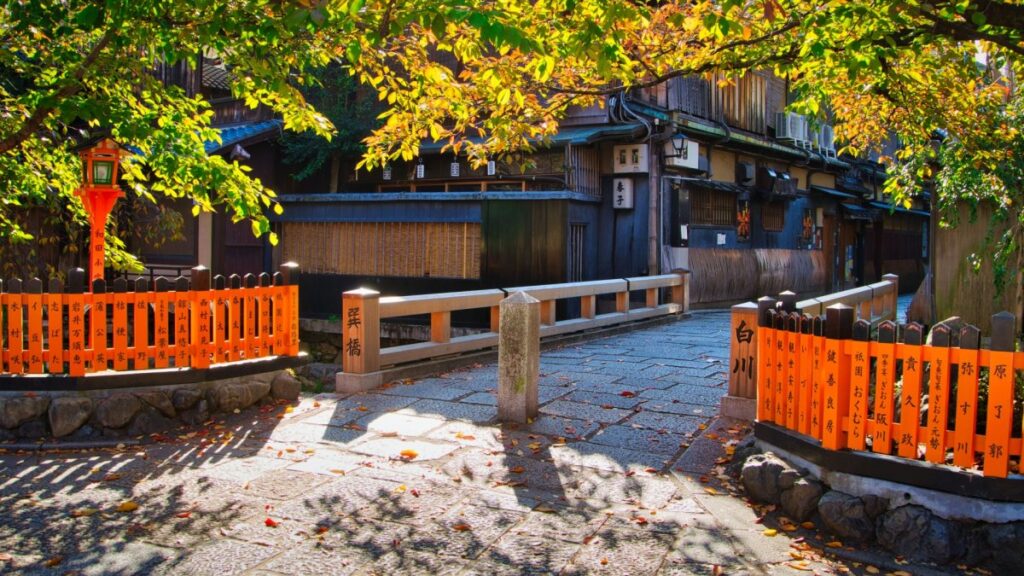
Stepping into the side alleys of Kyoto Gion, you are wrapped in atmospheric town scenery continuing onto cobblestones. Wooden buildings form wonderful alleys that let you feel the comfort of good old Japan; small rivers flow, you walk alongside the small rivers, trees change colors, and harmonize splendidly with the houses. A town where you can stroll all day while feeling the atmosphere—that is one of the good points of Kyoto.
You can feel the wonderful scent of Japanese houses still remaining in the alleys of Gion.
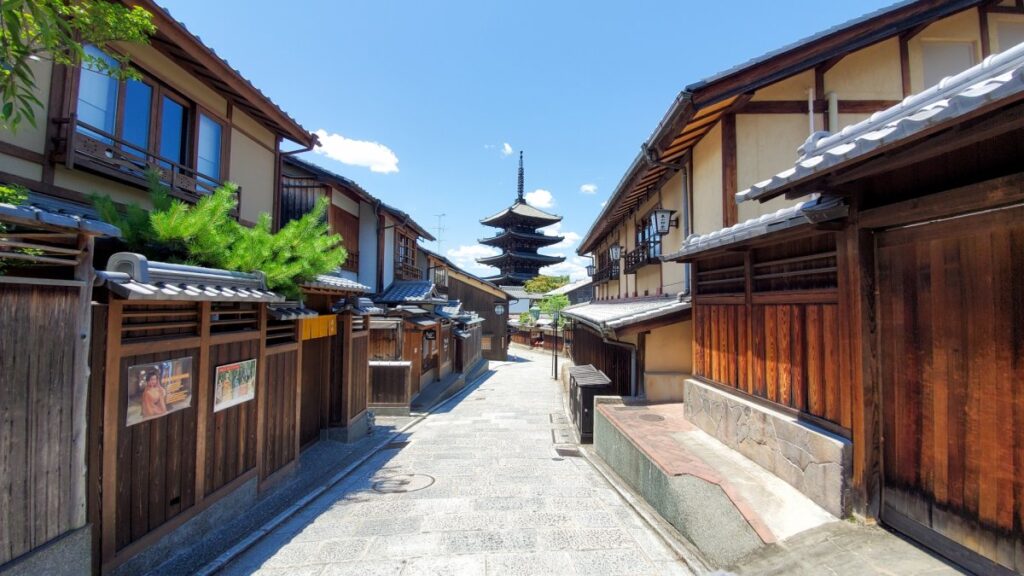
The Five-Story Pagoda (Yasaka Pagoda) blends in to create a streetscape unique to Kyoto, a town that irresistibly draws your heart in and creates a wonderful day of walking around town. It is overflowing with good old Japan.
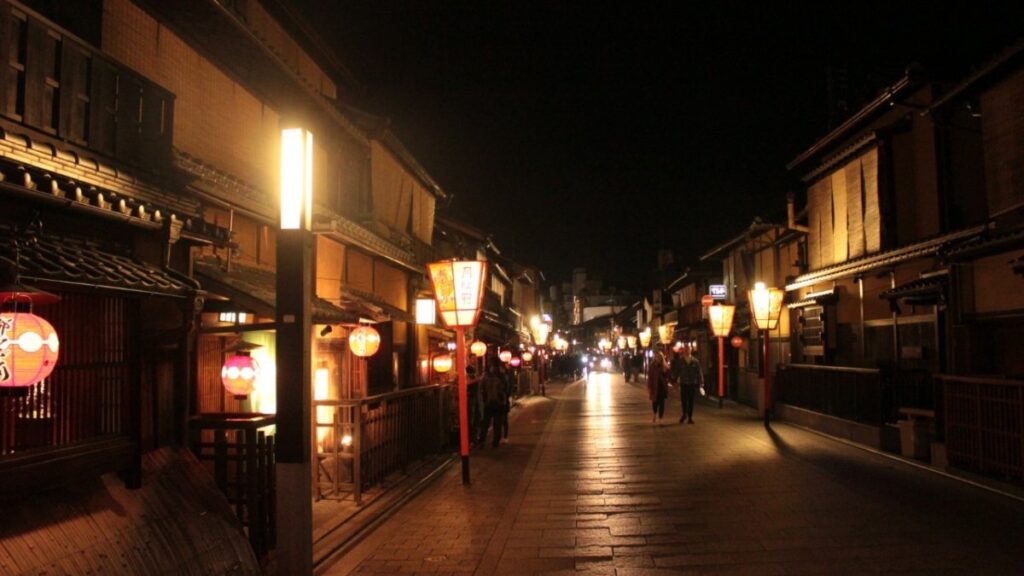
When the night veil falls, Kyoto Gion lights up. The color scenery of the former geisha district expressed by night’s emotion—a wonderful Gion awaits. It is a emotional and moving streetscape of Gion.
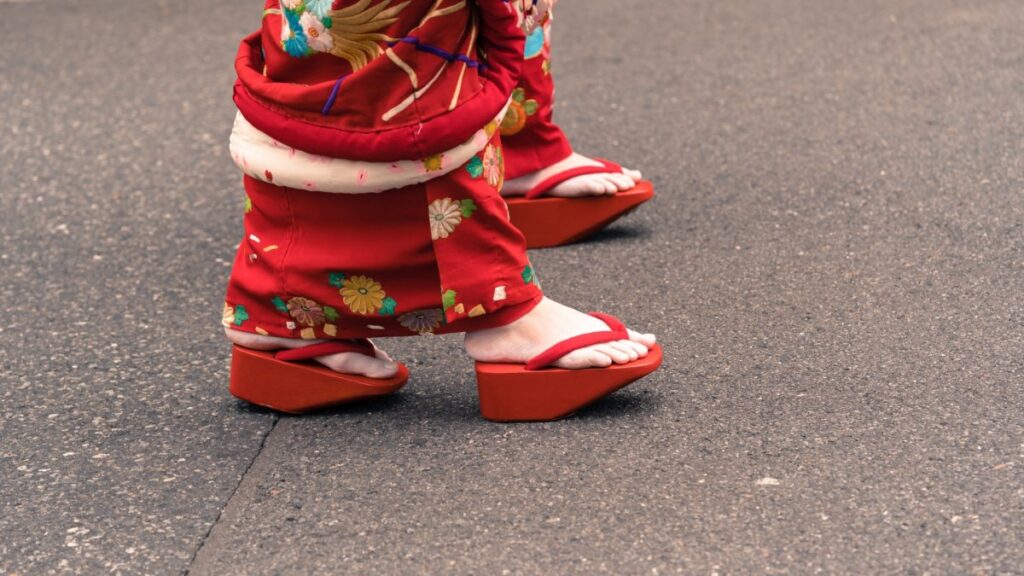
You might be able to meet maiko. Even if meeting a real maiko is difficult, many tourists in maiko cosplay walk around in Kyoto, so you can feel the atmosphere sufficiently from that alone.


Wonderful memories of Kyoto await you.
Reservations are first-come, first-served (subject to availability).


Wonderful memories of Kyoto await you.
Reservations are first-come, first-served (subject to availability).
The Beauty of the Town Woven by Rivers—Kamo River and Takase River
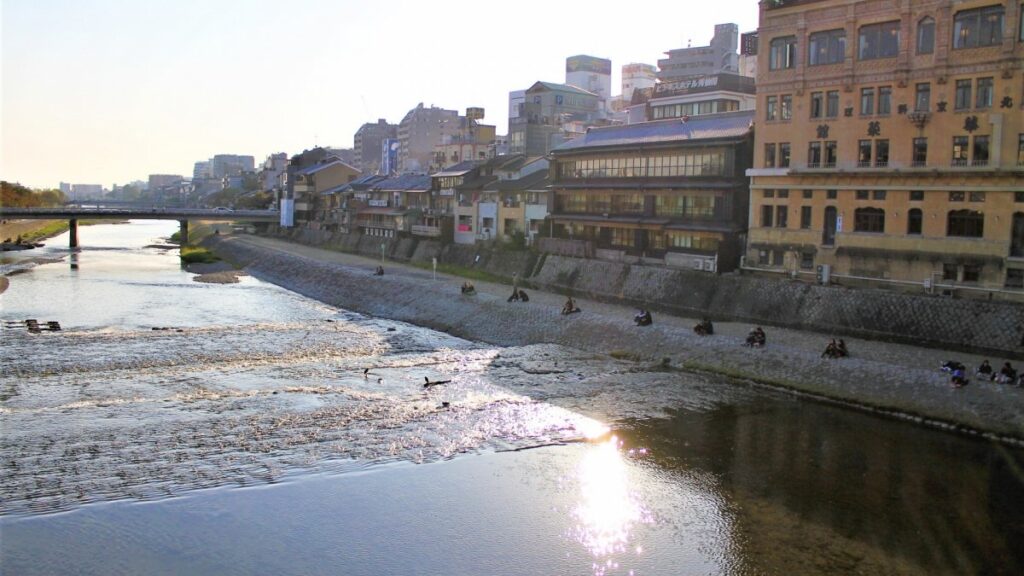
Along the Kamo River flowing through the streets of Kyoto, couples sit at equal intervals, talking about Kyoto and their thoughts for each other. Blessed with water, blessed with nature, blessed with people, and blessed with history, the Kamo River—which has simply watched over Kyoto—seems ready to reflect the flow of time, making you want to gaze at it for a long time. Furthermore, in spring, kawayuka (river terraces) that excite people are opened.
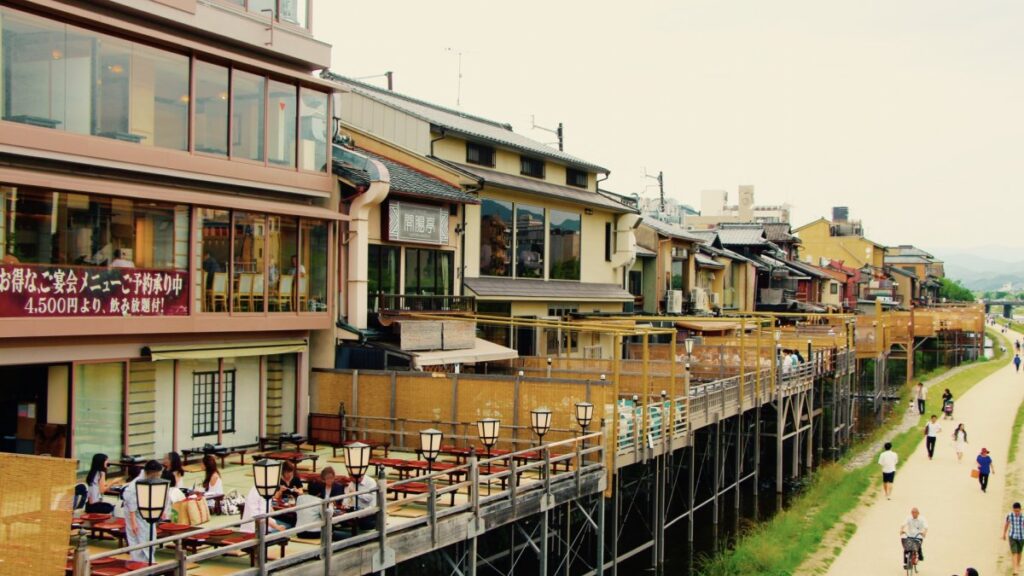
Enjoying a banquet on a wooden elevated platform jutting out over Kyoto’s Kamo River might be a seasonal feature unique to Kyoto, where you can enjoy Kyoto’s atmosphere together with Kyoto cuisine. The moment of smacking your lips over delicious Kyoto cuisine while feeling the scent of a refreshing breeze is irresistible.
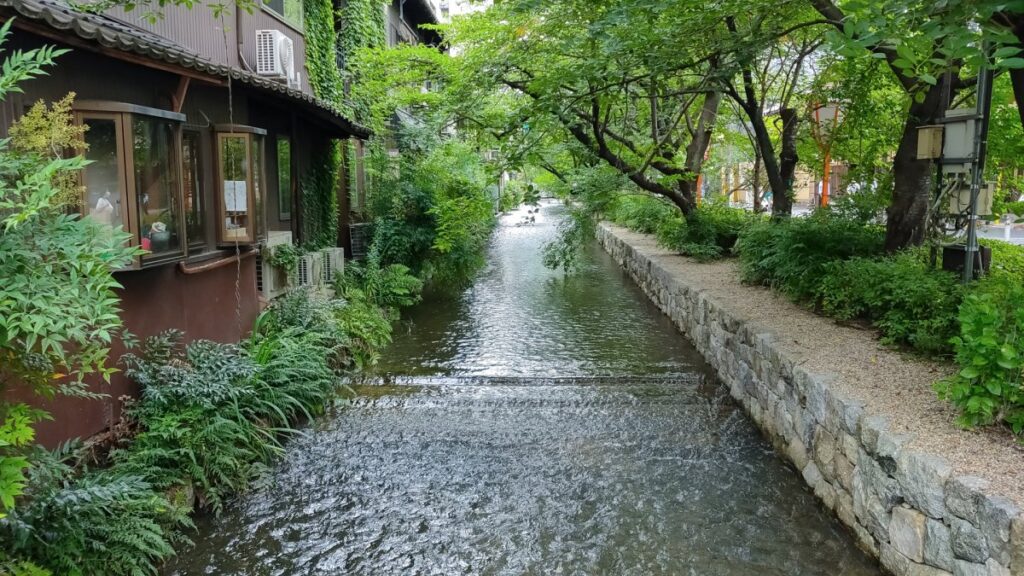
Taking one step into town from the Kamo River, a pleasant Takase River and walking alleys by the riverbank await you. The alley scenery created by houses unique to Japan, the small river, and the trees standing along the river makes for a wonderful Takase River stroll that is pleasant and enjoyable.
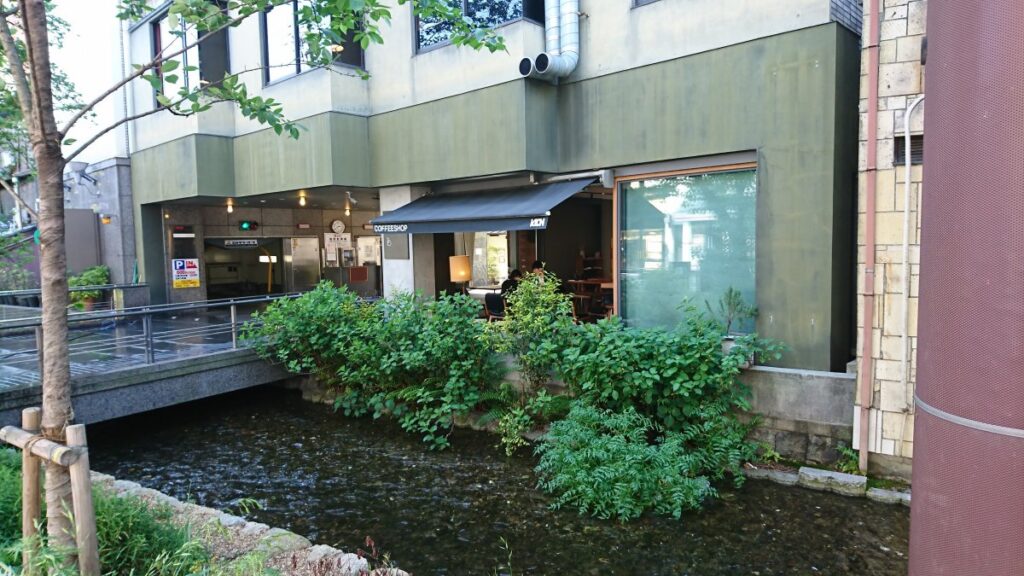
When tired from walking, taking tea time at a cafe overlooking the Takase River is also wonderful. Please enjoy time slowly passing while feeling the clear and beautiful atmosphere of the Takase River.
Enjoying Shrines and Temples in Gion-Shijo
Kyoto has very many shrines and temples.
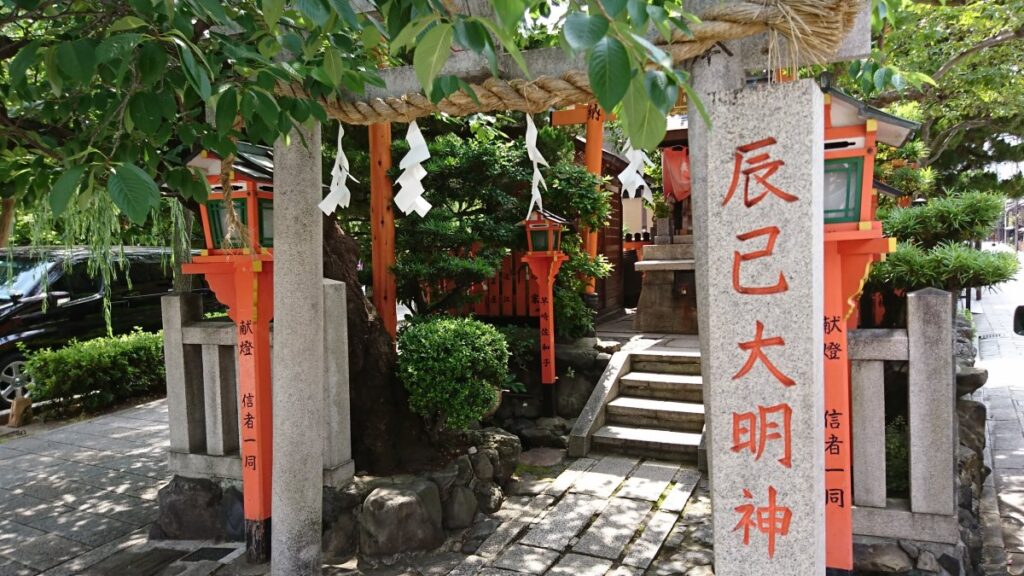
Strolling along the atmospheric alley of the Takase River, you immediately encounter Tatsumi Daimyojin, a famous photo spot often used in TV dramas. Located on a corner where cobblestone alleys intersect, sitting small and enshrined as if blending into the town, “Tatsumi Daimyojin”—located southeast (tatsumi) from Kyoto Imperial Palace—is a shrine that has been cherished by people as a local guardian deity, and you can rarely see maiko and geiko praying here to wish for improvement in the performing arts.
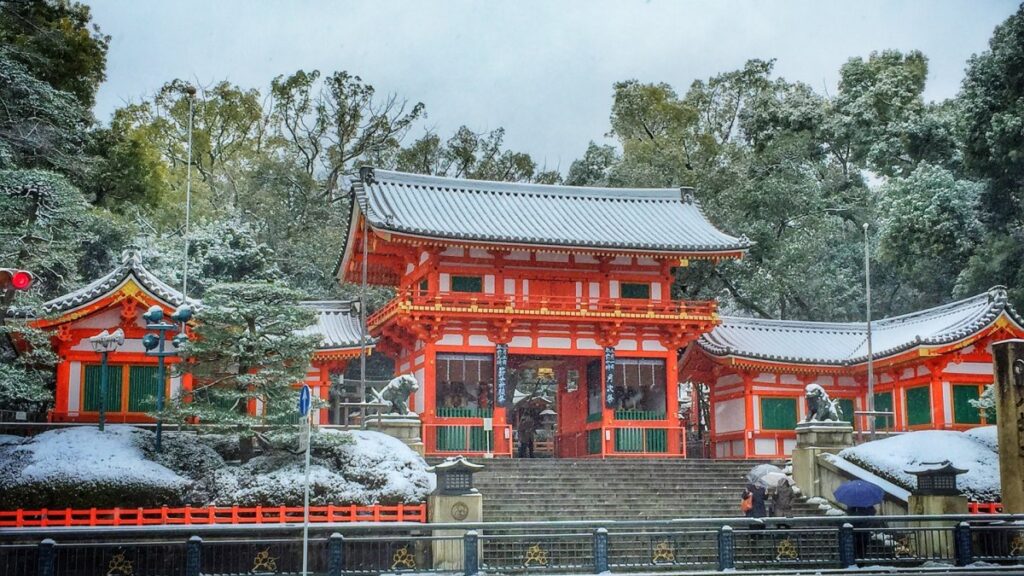
Heading to Gion-Shijo, “Yasaka Shrine” comes into view. Enshrined at the end of Kyoto’s Shijo-dori, Yasaka Shrine is one of Kyoto’s representative shrines. Centering on the main hall designated as a National Important Cultural Property, it enshrines many deities across nearly 20 shrines, including “Utsukushigozen-sha,” which governs beauty.
Together with the adjacent Maruyama Park, spending a day strolling walking paths surrounded by trees also seems fun.
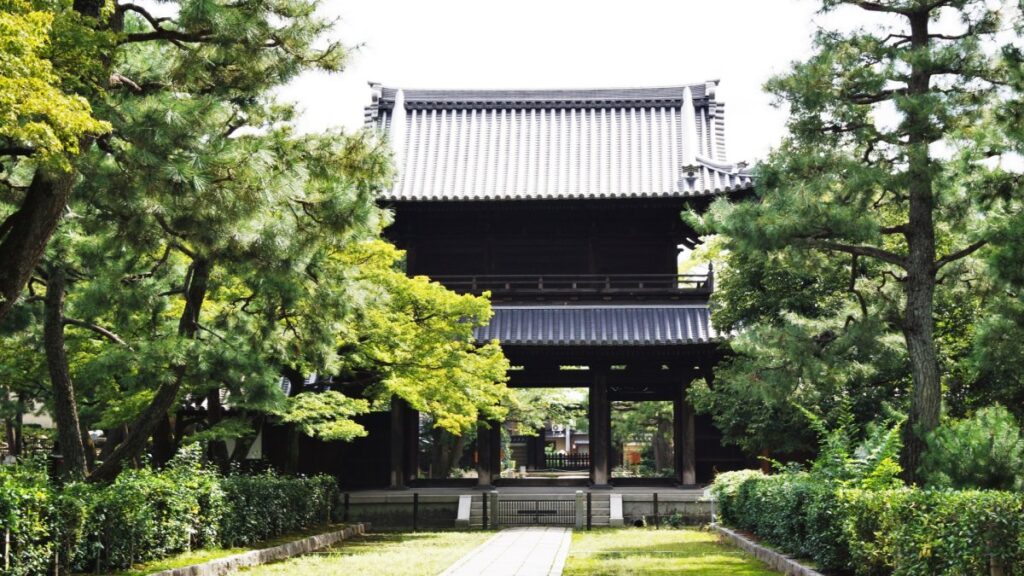
Proceeding along Gion’s Hanamikoji, “Kennin-ji”—which seems to express Japanese beauty through its shrine and garden—appears. Kennin-ji possesses many Important Cultural Properties and owns the “Folding Screen of Wind and Thunder Gods.” The pair of two-panel folding screens where the Wind God and Thunder God face each other overwhelms viewers.
On the ceiling of Kennin-ji’s Dharma Hall, “Twin Dragons” are drawn; the Twin Dragons painting, where two dragons dance and entwine, dominates the ceiling of Kennin-ji’s Dharma Hall (Hatto) and draws visitors into a vortex of awe.
Kennin-ji’s garden spreads out evoking dry landscape (karesansui) gardens, offering a stroll route enjoyable throughout the seasons. Enjoying the garden scenery while reflecting on Important Cultural Properties at Kennin-ji seems like it would make a good day.
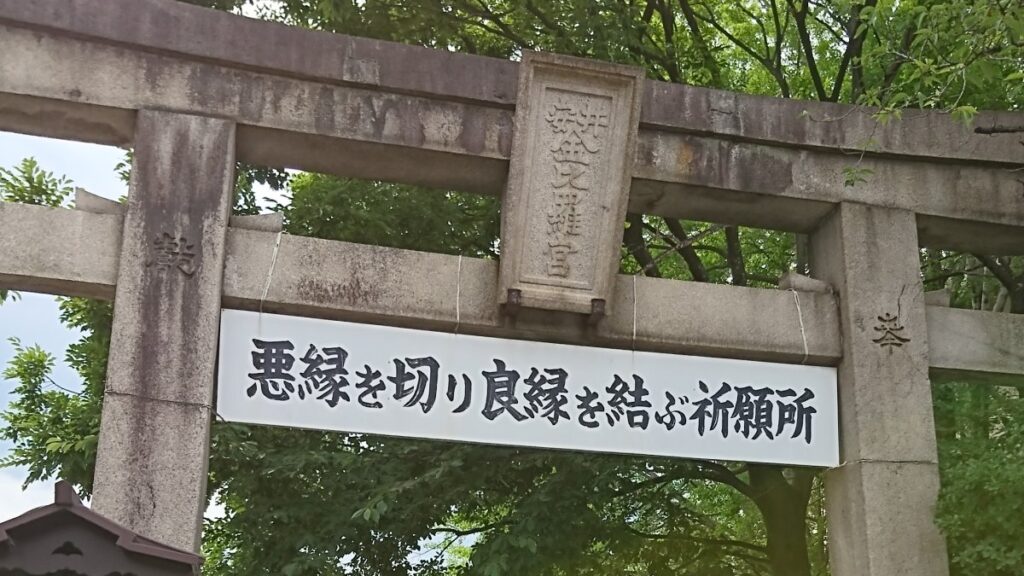
For those of you who want to sever bad relationships and pray for good ones, visiting the relationship-severing shrine “Yasui Konpiragu” is also good.
There are likely various relationships you want to sever. There are likely good relationships you want to come. Settling things means encountering new things, and marking a milestone means setting out on a journey to find a new self; please pray and connect it to a good tomorrow.
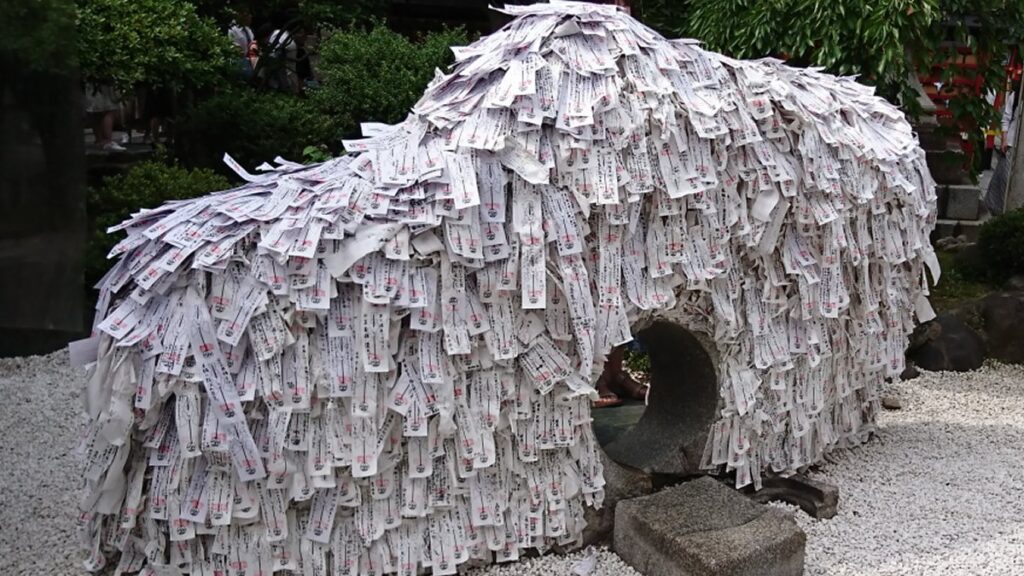
Passing through, there is a hole that severs “bad relationships.” Pass through carefully so as not to get stuck in the hole.
Chinese Cuisine Eaten in Gion-Shijo and the Overlooked Kamo River
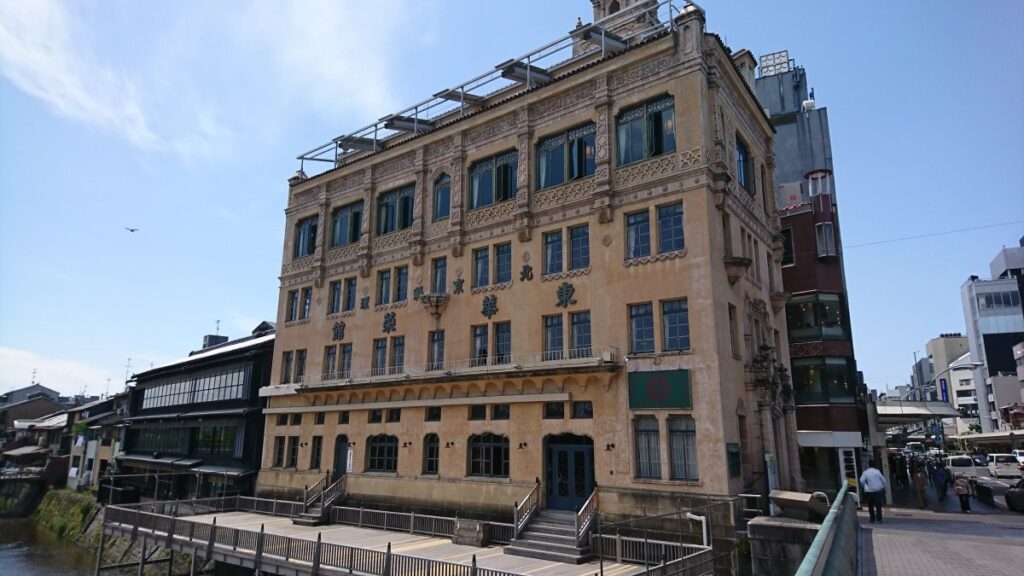
Kyoto cuisine on the Kamo River terrace is naturally wonderful, but Gion-Shijo / Kawaramachi has various wonderful restaurants stylishly set up. Standing at the foot of Shijo-o-hashi Bridge, the long-established Chinese restaurant preserving good old traditions, “Tohka Saikan Main Shop,” is a Beijing cuisine shop in a Spanish Baroque Western-style building.
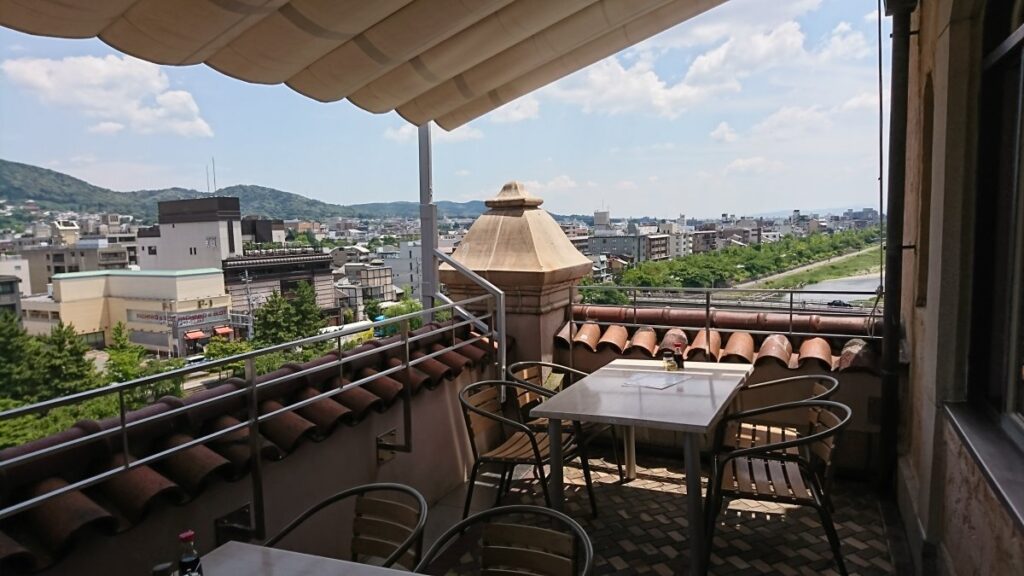
Ordering Chinese food on the river terrace over the Kamo River in spring, and enjoying Chinese food while gazing at the Kamo River from fifth-floor terrace seats in summer might be one way to enjoy lunch during a Gion stroll.
Set in a charming Western-style building by Kyoto’s Shijo Bridge, dining here while overlooking the Kamo River offers flavors steeped in history that bring you the authentic breeze of Kyoto through delicious Chinese cuisine.


Gion-Shijo Touring Experience Report
June 2018 Visit – Tohka Saikan, Kennin-ji, Yasui Konpiragu, Rokudo no Tsuji, Rokuharamitsu-ji
Around 11:30 – Beginning at Tohka Saikan from Shijo-o-hashi Bridge
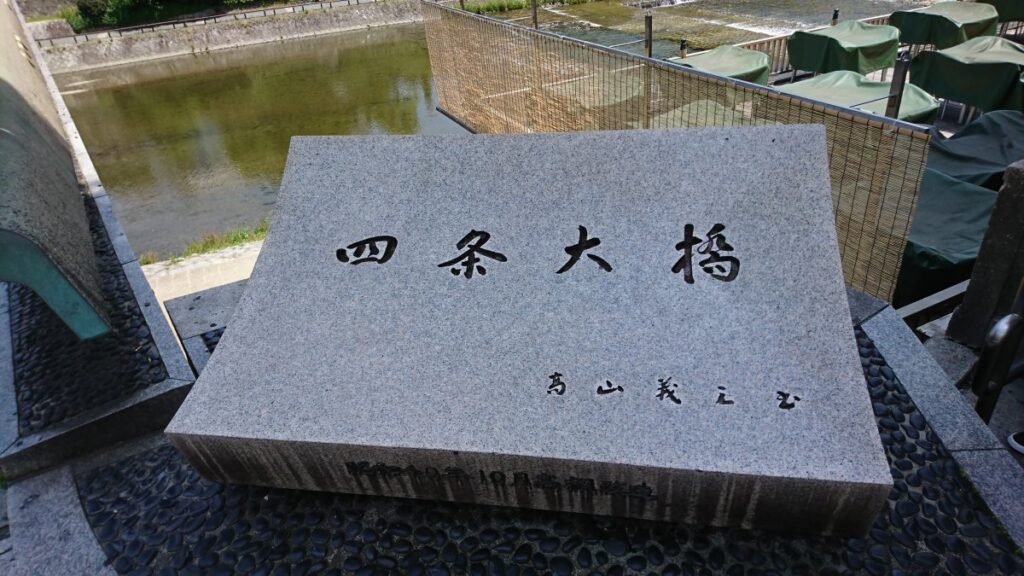
Intending to spend a pleasant day strolling in Kyoto, I arrived at Gion-Shijo Station around before noon. Starting the stroll from Pontocho.
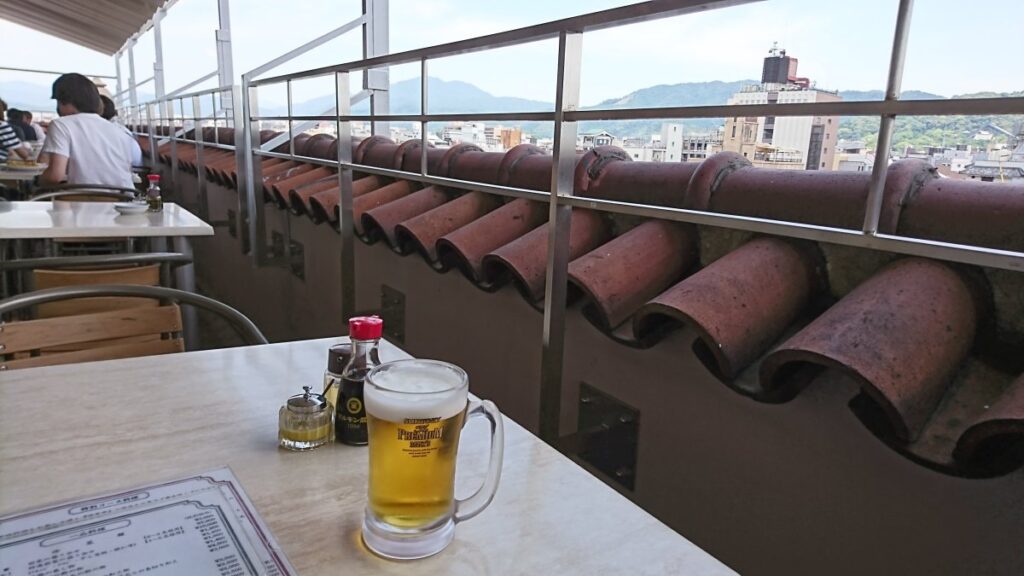
Being hungry right away, I headed to Tohka Saikan. Guided to upper-floor terrace seats, having a Chinese meal while looking at the Kamo River and Kyoto streetscape is exceptional. Beer is also delicious!
Around 13:00 – Sightseeing Tatsumi Daimyojin While Strolling Alleys
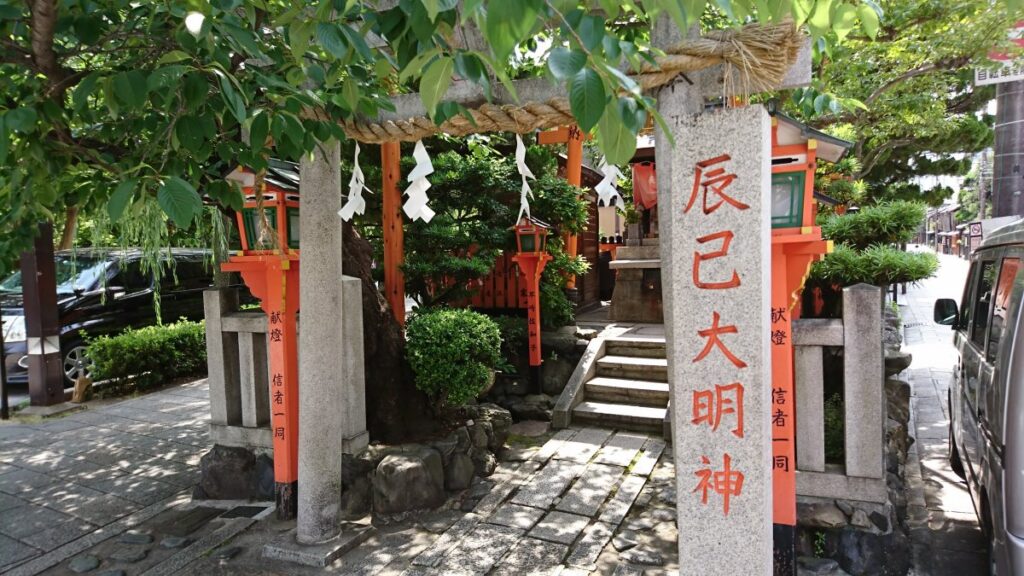
Enjoying Shijo’s alleys and Kyoto’s good old streetscape, I walk to Tatsumi Daimyojin. It is crowded as a photo-worthy spot, but I take photos watching for gaps in the flow of people; it is a power spot also used in movies and the like.
Around 13:30 – From Hanamikoji to Kennin-ji
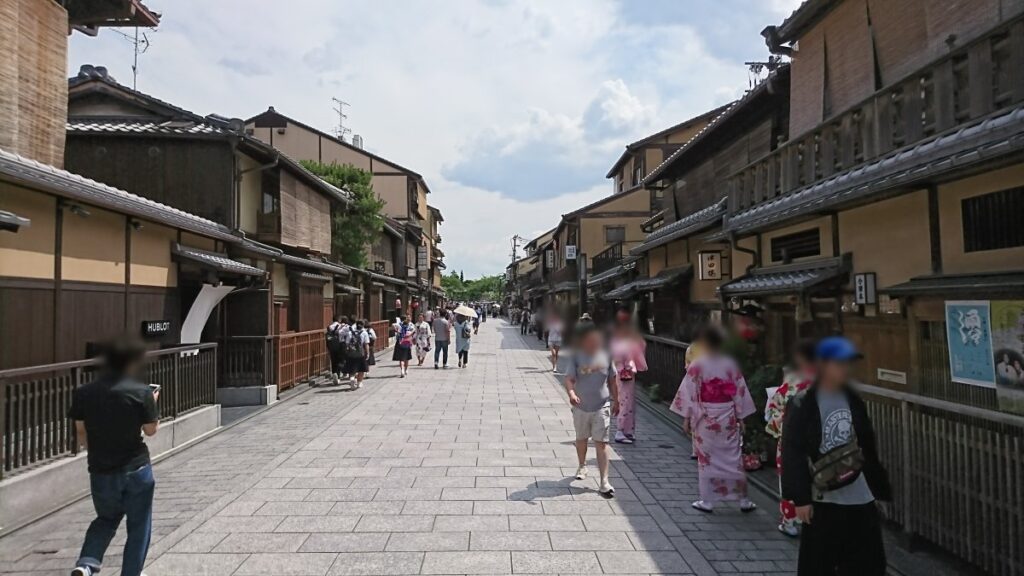
Crossing the small bridge in front of Tatsumi Daimyojin and proceeding leads to Hanamikoji. It is a road where you can fully savor the atmosphere of Gion representing Kyoto; walking along a road where strolling and sightseeing are pleasant, eating dango, and shopping for souvenirs is fun.
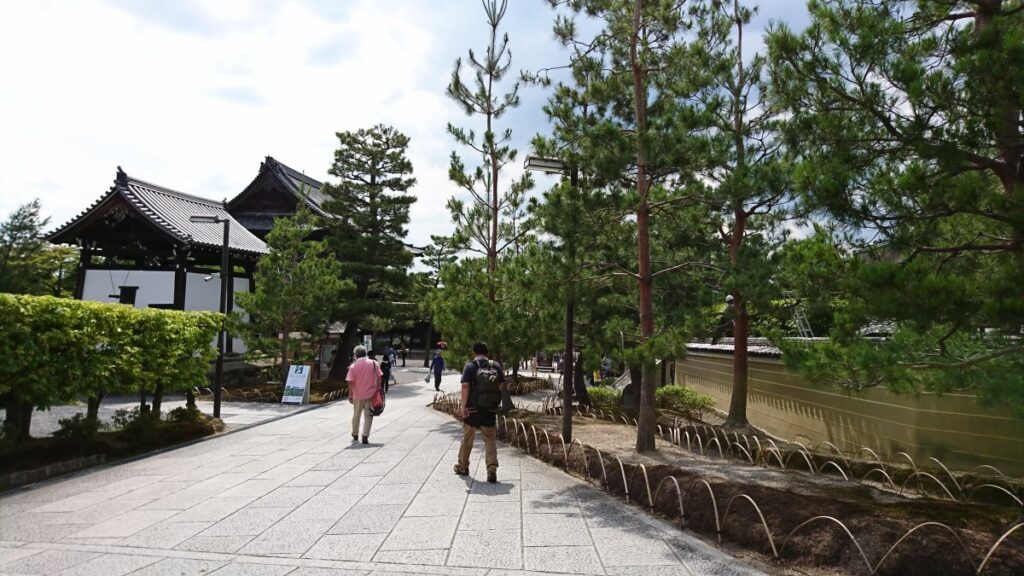
I walk through Kennin-ji, the head temple of the Rinzai sect Kennin-ji school located in Miyako/Gion, founded in 1202 by Eisai Zenji as Kyoto’s oldest Zen temple. On the grounds, there are highlights such as the Folding Screen of Wind and Thunder Gods (replica) and the grand Twin Dragons drawn on the Dharma Hall ceiling; I sightsee while feeling Kyoto-like history and beauty within a quiet, calm atmosphere.
Around 14:30 – Short Rest at a Teahouse
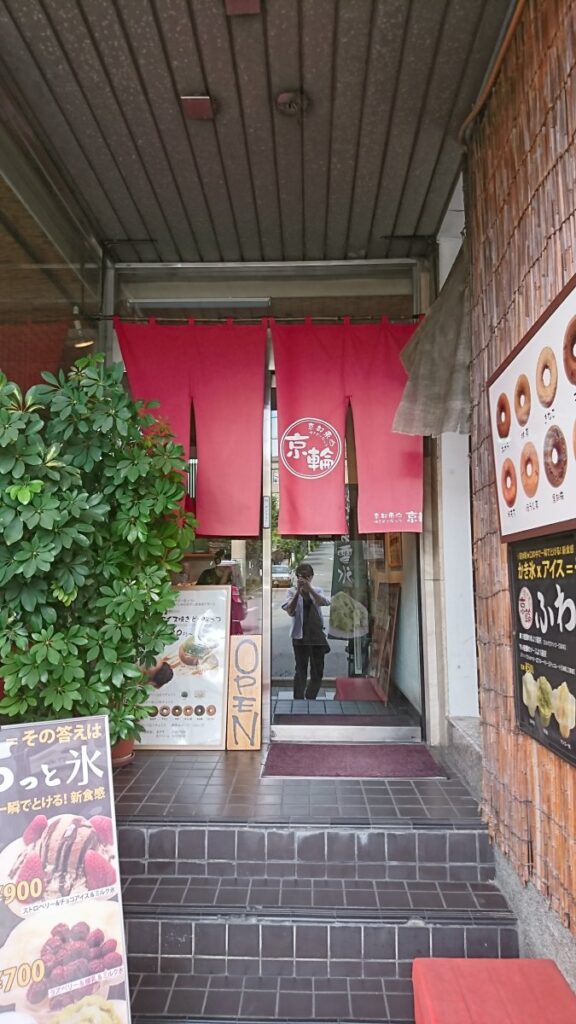
Walking from Kennin-ji aiming for Yasui Konpiragu, there is an atmospheric “Kyowa” cafe right before Yasui Konpiragu, so I stop by.
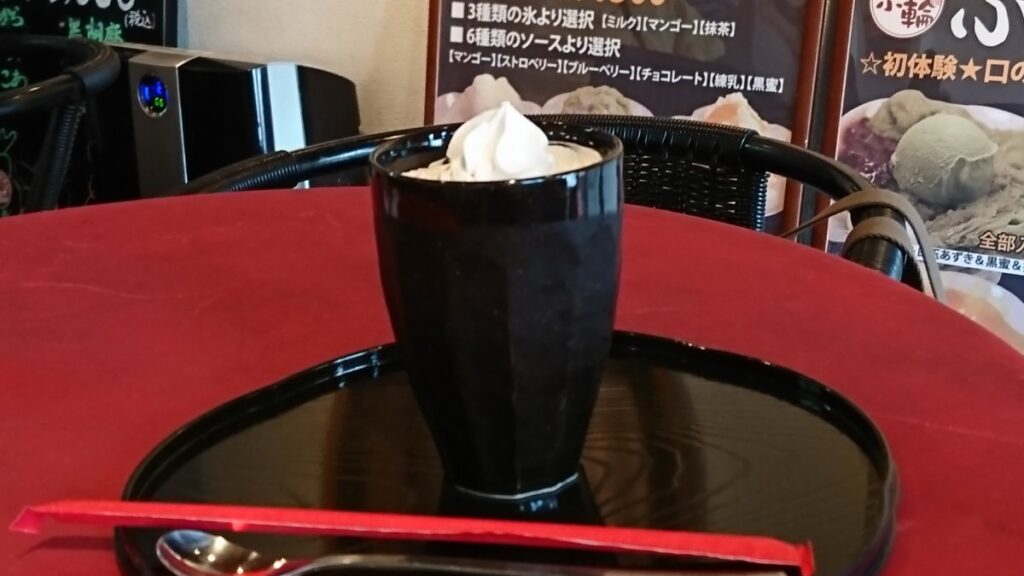
Receiving delicious coffee heals my feet tired from walking. Because there are Japanese-style menus unique to Kyoto such as matcha cream latte, I take a breather while enjoying a mix of Japanese and Western tea.
Around 15:00 – Severing Bad Relationships at Yasui Konpiragu
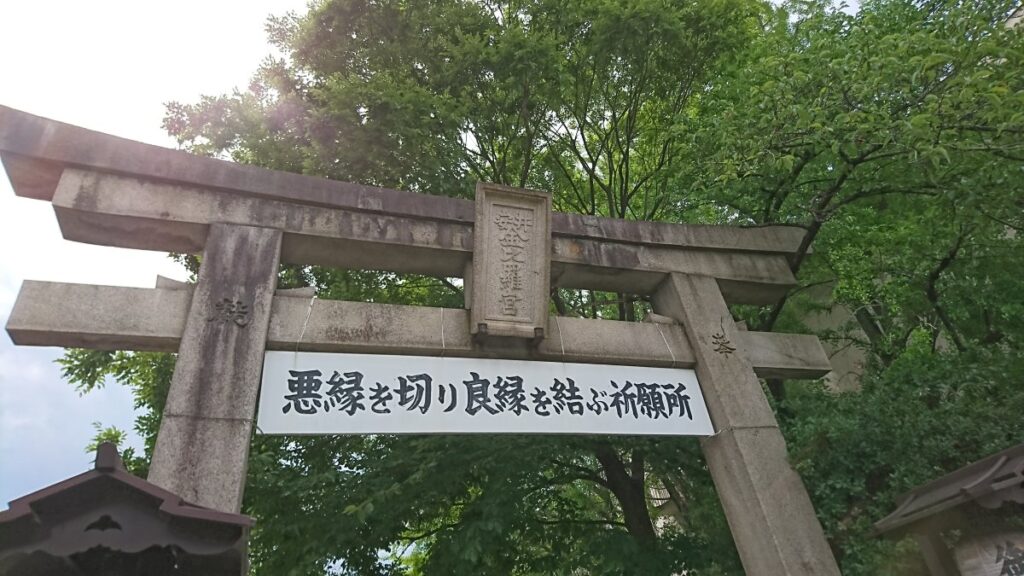
I go to Yasui Konpiragu, a prayer site for severing bad relationships and binding good ones. It is interesting how boldly it is drawn. Passing through the stone torii gate, the “Relationship-Severing & Relationship-Binding Monument (Ishidera)” is right there.
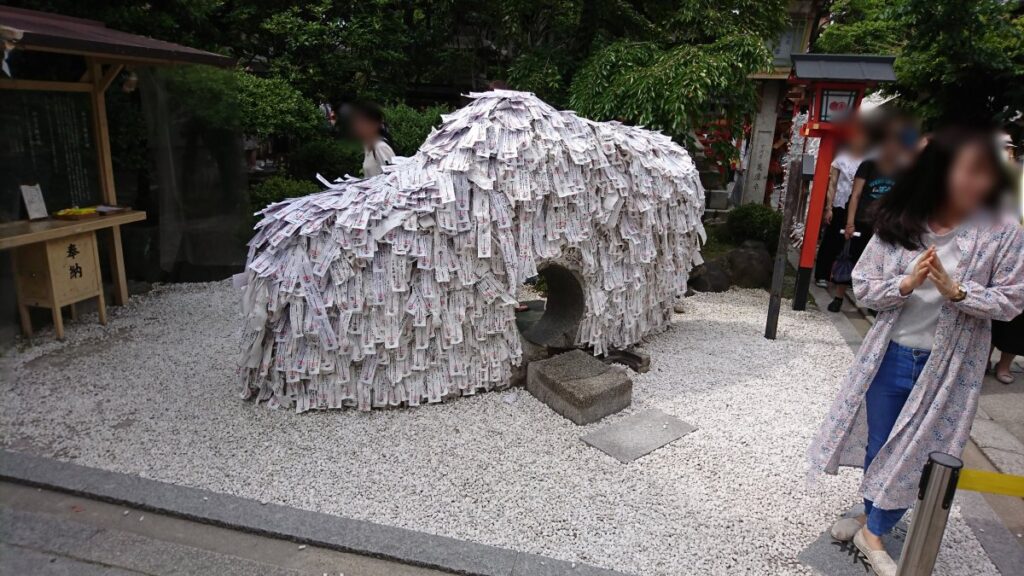
The Relationship-Severing & Relationship-Binding Monument has an atmosphere that looks like it would appear in Jujutsu Kaisen, but passing through the hole is said to sever bad relationships, so many people line up. So as not to regret later thinking “I should have severed that relationship after all,” I line up and successfully pass through the hole, but I have a different worry about whether my big stomach will get stuck in the hole.
Around 16:00 – Stroll Ending at Rokudo no Tsuji, Rokuharamitsu-ji
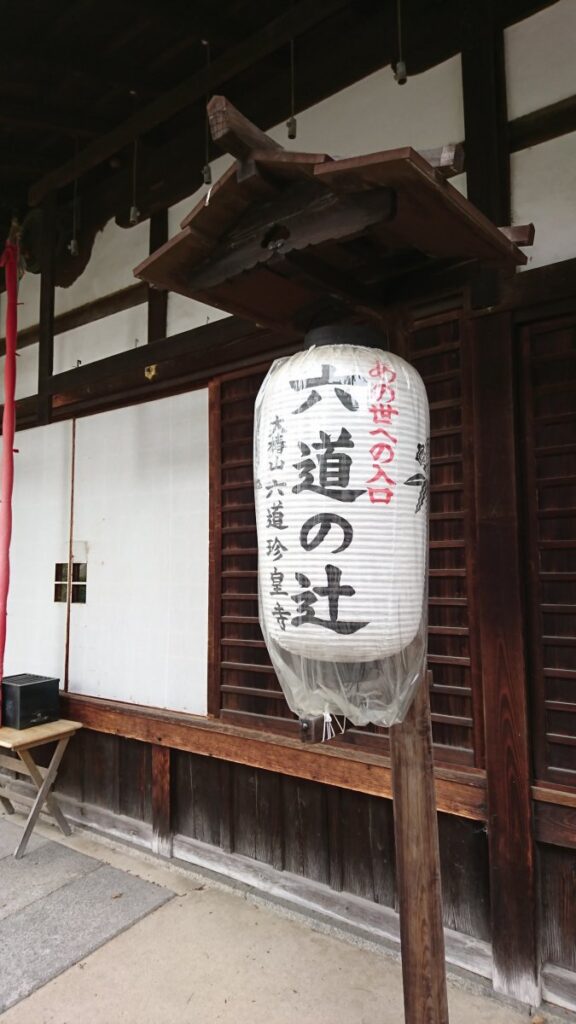
I walk to Rokudo no Tsuji within walking distance from Yasui Konpiragu. Around here there are almost no tourists, and I proceed alone through deserted alleys, but because there are many atmospheric streets, just walking becomes fun.
Rokudo no Tsuji is said to contain the boundary between this world and the next world, making it a place requiring quite some courage.
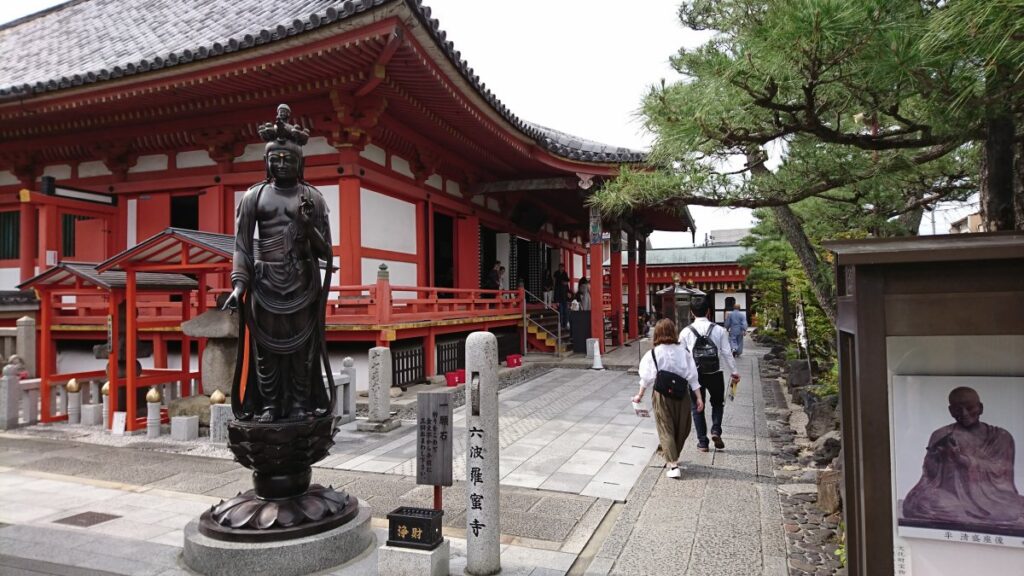
I move to Rokuharamitsu-ji, opened in 951 by Kuya Shonin. Known as a temple associated with Kuya—the “Saint of the Market” who spread the Nembutsu to the common people—the standing statue of Kuya Shonin, a National Important Cultural Property, is enshrined on the grounds.
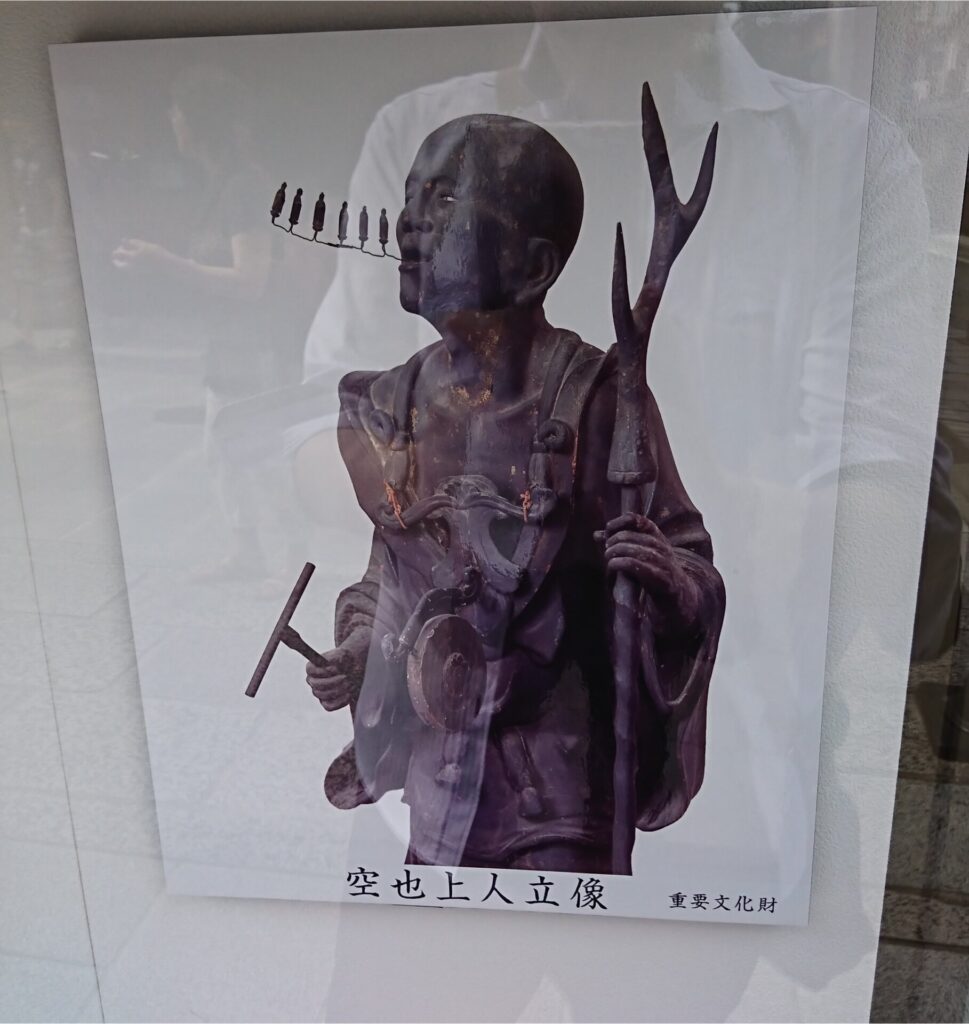
Because photographing the actual standing statue of Kuya Shonin is not allowed, I post a poster introduced on the grounds. The figure with six Amida Buddhas emerging from his mouth visualizes the teaching that chanting the Nembutsu causes those words to appear as Buddhas; the dynamic expression and strong presence are overwhelming, and the deeper you quietly face it, the more Kuya Shonin’s depth of faith is conveyed.
When visiting Rokuharamitsu-ji, it is a Buddhist statue well worth viewing carefully.
Around 18:00 – Moving to Kyoto Station, Eating Famous “Nishin Soba,” and Ending Kyoto Sightseeing
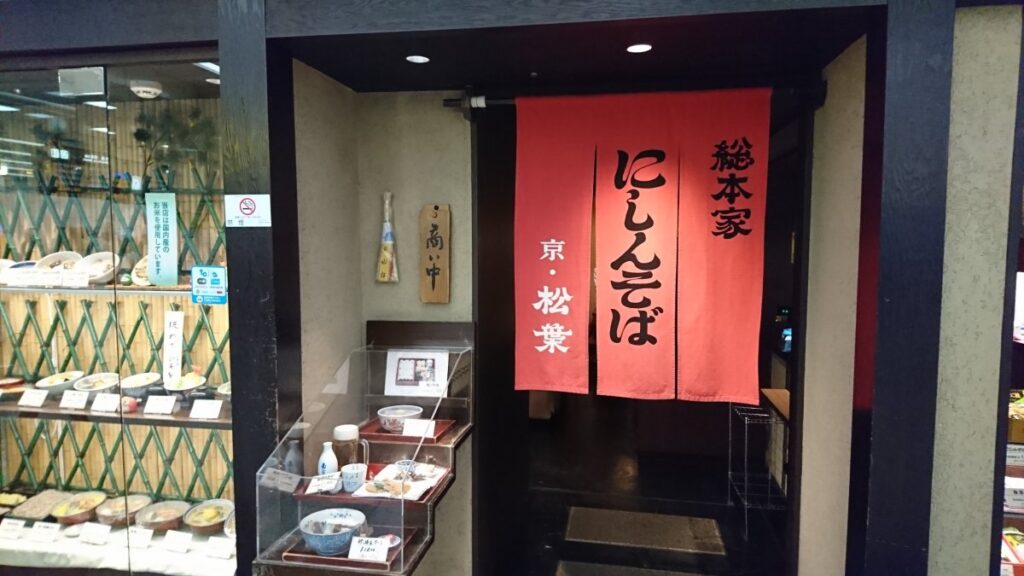
Leaving Rokuharamitsu-ji, I return to Kyoto Station by train and spend time until the return Shinkansen while shopping inside Kyoto Station. Getting hungry, I receive the famous “Nishin Soba,” marking the end of a day on the Kyoto walking path starting from Gion-Shijo.
Summary: The Charm of Strolling the Streets of Gion-Shijo
A walk through the streets of Gion-Shijo overflowing with the charm of Kyoto’s wonderful alleys woven by Japanese houses, rivers, trees, and cobblestones; in a wonderful stroll and wonderful time, shrines and temples visited in between also create attractive spaces. Resting occasionally at stylish riverside cafes, and overlooking Kyoto from a terrace for lunch—strolling such a Kyoto and Gion-Shijo makes for a very attractive day.
Enjoy a nice time in Kyoto !
Recommended Hotel in Kyoto
Onyado Nono Kyoto Shichijo Natural Hot Spring


Worried about room availability? Book early!
A luxurious day where you can also enjoy hot springs while sightseeing in Kyoto!
This website is operated by "Don Don Travel Guide"
Author: Boon
Our mission is to share valuable information with the world through informative and engaging travel media.
Best Japan Tours
This site is a participant in the Amazon Services LLC Associates Program, an affiliate advertising program designed to provide a means for sites to earn advertising fees by advertising and linking to Amazon.com.
This site uses Google AdSense to display advertisements and earn revenue.
This site utilizes various affiliate service providers (ASPs) to display advertisements and earn commissions through qualifying purchases.